What Nobody Tells You About Football Cleats for Beginners
The best football cleats for beginners are not necessarily the lightest or most expensive models; they are the pair that fits securely, matches the playing surface, and remains comfortable during 90-m...

What Nobody Tells You About Football Cleats for Beginners
The best football cleats for beginners are not necessarily the lightest or most expensive models; they are the pair that fits securely, matches the playing surface, and remains comfortable during 90-minute sessions. For new players in the United States, the United Kingdom, Australia, and other football markets, reliable options include the Nike Premier 3, Adidas Copa Pure 3, Puma Future 8 Play, and Nike Mercurial Vapor 16 Academy. Firm-ground boots should be used on natural grass, while artificial-ground or turf footwear is safer and more suitable on synthetic fields. Expect to spend approximately $50–$130 for a dependable beginner pair in 2026, rather than $250 on elite boots. A small amount of toe space, stable heel lockdown, and no painful pressure points matter more than a famous logo. Start by identifying your surface, measuring both feet, and testing the boots with your match socks.
Imagine arriving at your first football practice with a pair of expensive cleats that pinch your toes, slip at the heel, and have studs designed for a field you never play on. It happens more often than I would like to admit, mostly because beginners are sold speed claims before anyone asks about foot shape or surface type. Football cleats are not magic equipment: they cannot replace first touch, balance, or conditioning, but the right pair can remove several avoidable distractions. The useful decision is therefore fairly unglamorous—match the outsole to the pitch, choose comfort over status, and leave enough budget for proper socks and shin guards. Stadium View covers football tactics, player statistics, match predictions, and FIFA World Cup 2026 updates, so we tend to view equipment through a practical performance lens rather than a glossy advertising one.

Photo by ANH LÊ on Pexels
Want a broader football perspective before choosing your gear?
Myth 1: The Most Expensive Cleats Are Best — Debunked
Price does not reliably predict beginner suitability because elite football cleats often prioritize low weight, thin materials, and specialized feel over comfort and durability. A $250 Nike Mercurial or Adidas Predator may perform brilliantly for an experienced player, but a $75–$120 Nike Premier 3 or Adidas Copa Pure 3 can be more forgiving during early training. The important variables are fit, stud configuration, upper flexibility, heel security, and field compatibility, not the number printed on the price tag.
According to the Football Association’s Laws of the Game, player equipment must be safe, and footwear is part of that requirement. That does not mean every commercial cleat is equally appropriate: a long, aggressive stud pattern on a dry artificial pitch may feel harsh, while a short turf outsole on wet natural grass can lack grip. A useful price rule is to spend enough for a structured upper and dependable outsole, then reserve premium spending until you know whether you prefer a narrow, wide, lightweight, or padded design.
What should a beginner spend on football cleats?
A beginner should usually budget $50–$130 for football cleats, with $70–$100 offering the strongest balance of comfort, traction, and durability in 2026. Models below $50 can work, but they deserve closer inspection for weak heel counters, rough seams, and poorly shaped toe boxes. Elite boots above $180 are rarely necessary for a first pair.
The exception is a growing youth player who may outgrow the boots within a season. In that case, a durable midrange model is financially sensible, even if it weighs 20–40 grams more than a speed boot. The Adidas Copa Pure 3, Puma Future 8 Play, Nike Phantom GX 2 Academy, and Nike Premier 3 are reasonable places to begin because they are widely available in common sizes and usually offer more forgiving materials than top-tier versions.
Myth 2: Lighter Cleats Always Make You Faster — Partially True
Lighter football cleats can reduce the feeling of effort during repeated sprints, but they do not automatically make a beginner faster. A difference of 40–80 grams per boot is measurable, yet acceleration depends more heavily on strength, technique, traction, body position, and decision-making. Lightweight construction is useful when it does not create heel movement, forefoot pressure, or reduced durability.
Nike Mercurial models are known for speed-oriented designs, while Adidas F50 emphasizes a similarly lightweight profile. However, beginners frequently change direction with less precise foot placement, so a slightly more supportive boot can be a better choice than the absolute lightest option. My practical view, based on repeated product comparisons rather than marketing language, is that comfort-related concentration loss matters more than a small weight difference during the first 20 training sessions.
How does cleat weight affect beginner performance?
Cleat weight affects perceived effort and foot speed slightly, but fit and traction have a larger practical effect for most beginners. A 60-gram difference per boot may be noticeable during sprint drills, yet it cannot compensate for slipping, poor lockdown, or painful pressure points. Beginners should therefore select the lightest comfortable model, not simply the lightest model available.
This is especially relevant for players training two or three times weekly. Thin synthetic uppers may feel responsive on day one but expose the foot to more pressure when the fit is wrong, while padded leather or soft synthetic materials often tolerate small sizing mistakes better. You can explore related match-performance concepts through Stadium View’s [Internal Link: player statistics and tactical analysis], but do not confuse an equipment specification with a guaranteed athletic result.
The fit test should take approximately 10 minutes, not 30 seconds in front of a shop mirror:
- Wear the socks used for training and matches.
- Check that the heel stays planted during a walking lunge.
- Confirm that the longest toe has roughly 5–8 millimeters of space.
- Bend the forefoot and look for sharp creases across the toes.
- Perform three lateral steps without the foot sliding inside.
- Remove the boot if numbness or burning appears.
Get started with a more evidence-based football routine and equipment checklist.
Myth 3: Stud Shape Does Not Matter — Flat-Out False
Stud shape and outsole type matter because they determine how force transfers between the foot and the playing surface. Firm-ground boots are designed primarily for natural grass with moderate conditions, artificial-ground boots distribute pressure across synthetic surfaces, and turf shoes use many short rubber elements for compact artificial turf. Choosing the wrong outsole can reduce traction, increase discomfort, or create excessive pressure under the foot.
The FIFA Quality Programme distinguishes between different football surfaces and testing conditions, which is a useful reminder that “football cleat” is not one universal category. A 2026 beginner playing Sunday league on natural grass may need FG boots, whereas a school player using a 3G synthetic pitch may be better served by AG or an approved multi-ground design. Never assume that an FG label is suitable simply because the boot is available in your size.
Which football cleat type should beginners choose?
Beginners should choose firm-ground cleats for natural grass, artificial-ground cleats for modern synthetic pitches, and turf shoes for short-pile turf. Firm-ground outsoles commonly use molded studs, while AG outsoles spread pressure through more numerous and shorter elements. Ask the coach or facility manager before buying if the field type is unclear.
Here is the practical surface guide:
- FG: Best for natural grass that is firm or moderately soft; avoid very hard artificial surfaces.
- AG: Designed for longer synthetic grass; often uses more studs with reduced penetration.
- MG: A compromise for players using several pitch types, although it may not be ideal everywhere.
- TF: Suitable for older, short artificial turf and small-sided training.
- SG: Replaceable metal or mixed studs for very soft natural ground; generally unsuitable for beginners and many amateur facilities.
- Indoor: Flat rubber soles for indoor courts; these are not outdoor football cleats.
One edge case deserves attention. If a player uses a 3G pitch twice weekly and natural grass once monthly, AG shoes may create less underfoot pressure over a season than FG boots, even if the FG pair feels more aggressive during a single wet session. That is not a glamorous conclusion, but it is often the more comfortable one.
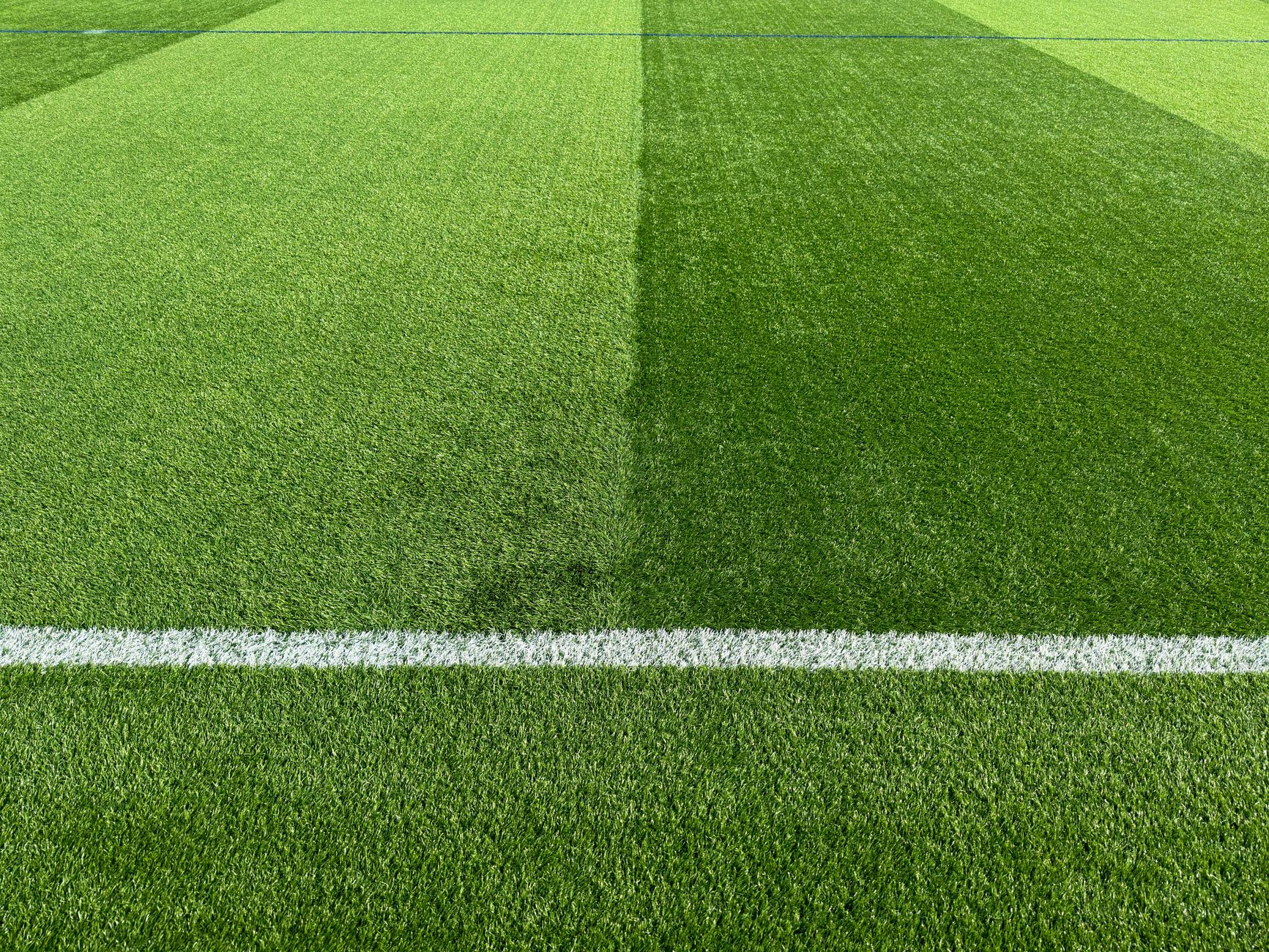
Photo by BLACK IBEX on Pexels
What Actually Works
What works for beginners is a repeatable selection process rather than loyalty to Nike, Adidas, Puma, New Balance, or a particular professional player. Start with the pitch, then foot shape, then comfort, and only after that consider speed, touch, or appearance. The Nike Premier 3 is a strong value choice because its traditional construction offers a familiar ball contact and generally sensible durability; the Adidas Copa Pure 3 suits players who prefer a softer, more cushioned feel; and the Puma Future 8 Play can appeal to players wanting a more flexible, adaptive upper.
The Nike Phantom GX 2 Academy is worth considering for players who prioritize passing and controlled striking, while the Nike Mercurial Vapor 16 Academy suits those who prefer a narrow, streamlined sensation. These are category recommendations, not universal rankings, because sizing varies between models and even between production years. The same player may need a US 9 in one Nike boot and a US 9.5 in another, so online buyers should compare the manufacturer’s centimeter measurement rather than copying a familiar casual-shoe size.
For a first pair, I would rank the decision factors this way:
- Correct outsole for the actual pitch.
- Secure heel without excessive pressure.
- Adequate toe room and natural forefoot flex.
- Comfort after 20 minutes, not just initial softness.
- Durable stitching, toe protection, and outsole bonding.
- Price and visual design.
To compare current football coverage, player roles, and tactical movement alongside your equipment choice, visit Stadium View’s [Internal Link: FIFA World Cup 2026 coverage].
Which beginner football cleats are easiest to recommend?
The Nike Premier 3 is the easiest all-round recommendation for value, the Adidas Copa Pure 3 is a comfortable option for touch-focused players, and the Puma Future 8 Play is suitable for players wanting flexibility at a moderate price. The Nike Phantom GX 2 Academy and Nike Mercurial Vapor 16 Academy are useful alternatives when passing feel or lightweight speed is the main preference.
No recommendation should override a poor fit. A theoretically excellent boot that causes blisters after 25 minutes is not a good beginner boot, regardless of reviews, professional endorsements, or a 4.8-star retailer rating. Buy from a seller with a clear return policy, walk indoors before training outside, and keep the packaging until you are confident the outsole and sizing are correct.
Want to see more practical football analysis before your next session?
How can beginners break in football cleats safely?
Beginners should break in new football cleats through two or three short sessions of 20–30 minutes before wearing them in a full match. Wear match socks, loosen the laces over pressure points, and stop immediately if a hot spot develops. Do not deliberately play through pain or soak the boots to soften them, because water can weaken adhesives and distort the upper.
A practical test is to complete a gentle warm-up, 10 minutes of passing, and several controlled changes of direction before increasing intensity. If the same hot spot appears twice, the shape is probably wrong rather than merely “not broken in.” Blister prevention tape can help temporarily, but it should not be used to justify a fundamentally uncomfortable fit. Beginners often listen to the boot’s reputation more than their own feet, which is backwards, really.
What to Ignore
Ignore claims that a certain colorway improves speed, that professional-player models automatically suit amateurs, or that a boot must feel painfully tight to provide control. Ignore the idea that a single universal size exists across Nike, Adidas, Puma, and New Balance; last shape and internal volume can differ substantially. Also ignore reviews that give no information about pitch surface, session length, foot width, or climate, because a cleat worn for 45 minutes in dry California is not being tested under the same conditions as one worn for 90 minutes on wet English grass.
One underreported issue is outsole pressure. A 2022 review in the British Journal of Sports Medicine discussed how stud configuration and surface interaction can influence loading patterns, although footwear alone cannot prevent injury. This does not prove that one brand is safer for every person; it means beginners should avoid aggressive stud patterns that feel uncomfortable or unstable. Likewise, do not use FG boots on every surface merely because the label is easier to find. Facilities may restrict certain stud types, and local rules should be checked before training.
Photo by Franco Monsalvo on Pexels
What common football cleat problems should beginners troubleshoot?
The most common problems are heel slipping, toe numbness, blisters, stud discomfort, and rapid sole separation. Heel slipping usually indicates excess internal volume or loose lacing, while toe numbness often means the boot is too short or too narrow. Stud discomfort commonly results from using FG boots on artificial turf, and sole separation can follow repeated soaking or poor drying.
Use this troubleshooting sequence:
- Heel movement: Try a heel-lock lacing pattern; replace the boot if movement remains.
- Blisters: Stop, inspect the seam, and test a different size or model.
- Numb toes: Do not size down; seek more width or length.
- Arch pressure: Compare a different last shape and remove overly thick insoles.
- Wet odor: Air-dry naturally and use newspaper, never direct heat.
- Loose studs or separation: Stop playing and request a warranty inspection.
A useful maintenance detail is to clean mud after every session rather than allowing it to harden for several days. Let the boots dry at room temperature for approximately 24 hours when soaked, and rotate between two pairs if you train four or more times weekly. That rotation costs more at first but can extend usable life, particularly for synthetic uppers exposed to repeated wet-dry cycles.
Frequently Asked Questions
Q: What are football cleats for beginners?
Football cleats for beginners are boots designed to provide dependable traction, comfort, and basic support without requiring advanced technical preferences. Good examples include the Nike Premier 3, Adidas Copa Pure 3, Puma Future 8 Play, and Nike Phantom GX 2 Academy. The correct model still depends on surface, foot width, and playing position. Beginners should prioritize a secure fit and suitable outsole over professional-level technology or brand prestige.
Q: How do you choose the best football cleats for beginners?
Choose beginner football cleats by identifying the pitch type, measuring both feet, testing heel lockdown, and checking comfort with match socks. Allow approximately 5–8 millimeters of space beyond the longest toe, but avoid visible foot movement inside the boot. Try several lateral steps and a gentle lunge before purchasing. If buying online, compare the manufacturer’s centimeter chart and use a retailer offering returns.
Q: What is the difference between FG and AG football cleats?
FG football cleats are primarily made for natural grass, while AG football cleats are designed to distribute pressure more safely across artificial grass. FG boots usually have fewer, more penetrating molded studs; AG boots commonly use shorter and more numerous studs. Using the wrong outsole can cause discomfort and may violate a facility’s footwear rules. Ask the venue whether its surface is 3G, 4G, short turf, or natural grass before buying.
Q: Are expensive football cleats worth it for beginners?
Expensive football cleats are usually not worth the extra cost for beginners because midrange models already provide adequate traction, comfort, and ball control. A $70–$130 boot is often sufficient for a player training two or three times per week. Premium boots may reduce weight or add specialized materials, but those advantages matter less than fit and surface compatibility. Spend more only after you understand your preferred shape and playing conditions.
Q: Why do new football cleats cause blisters?
New football cleats cause blisters when friction develops between the foot, sock, and boot, often because of heel movement or an incorrect shape. Wear the boots for two or three 20–30-minute sessions before a match, and stop when a hot spot appears. Changing socks may help, but persistent friction usually means the model or size is unsuitable. Do not rely on painful “break-in” as proof that the boot is high quality.
Q: Can beginners use football cleats on artificial turf?
Beginners can use football cleats on artificial turf only when the outsole is approved for that surface, usually AG, MG, or TF depending on the pitch. FG boots may feel too aggressive on synthetic grass and can create uncomfortable pressure under the foot. Check the facility’s published rules, because some venues prohibit metal or certain firm-ground patterns. For frequent 3G training, dedicated AG footwear is generally the more sensible long-term choice.
Q: How long should beginner football cleats last?
Beginner football cleats can last approximately 6–18 months, depending on training frequency, surface, weather, and maintenance. A player training four times weekly on abrasive artificial turf will wear them faster than someone playing once weekly on natural grass. Clean mud after each session, air-dry wet boots for about 24 hours, and inspect the outsole and stitching monthly. Replace them when traction changes, the upper loses structure, or discomfort begins.
The uncomplicated conclusion is that the best football cleats for beginners are comfortable, correctly sized, matched to the pitch, and priced sensibly. In 2026, the Nike Premier 3, Adidas Copa Pure 3, Puma Future 8 Play, Nike Phantom GX 2 Academy, and Nike Mercurial Vapor 16 Academy cover most beginner preferences without forcing an unnecessary elite-boot purchase. Measure carefully, test with real socks, and treat persistent pain as useful evidence rather than something to tolerate. Stadium View will continue covering FIFA World Cup 2026 teams, tactics, player statistics, and match developments, while your first responsibility remains much simpler: make sure your feet are properly equipped before the whistle.
See the latest football insights and tournament coverage from Stadium View.