The Sports Fan's Guide to Finding Retail Stores Near You in 2026
Imagine walking out of a thrilling 2026 World Cup match, jersey still warm from cheering, when you suddenly realize you need supplies for tomorrow's viewing party. The crowd disperses into the night,....
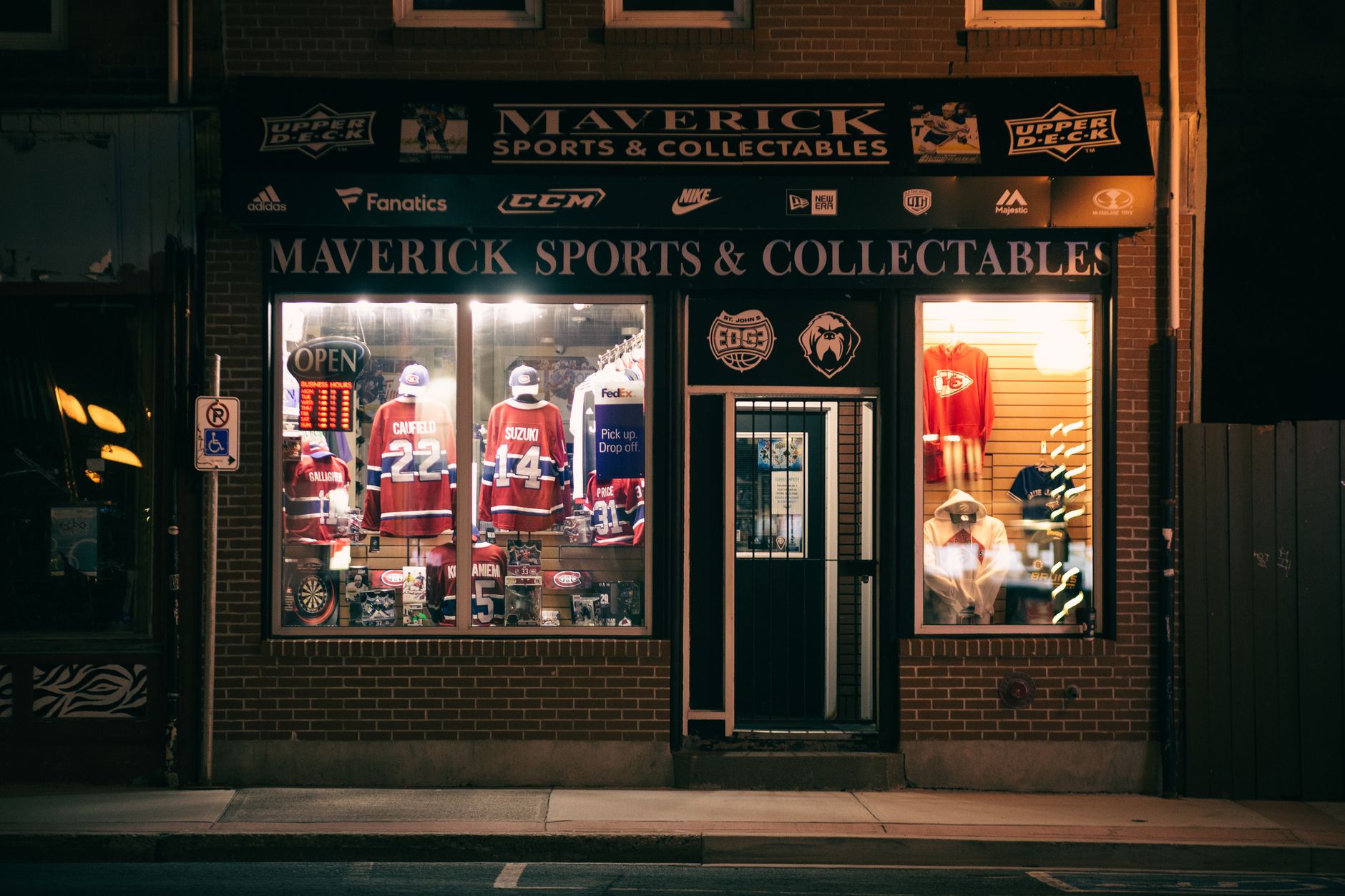
The Sports Fan's Guide to Finding Retail Stores Near You in 2026
Imagine walking out of a thrilling 2026 World Cup match, jersey still warm from cheering, when you suddenly realize you need supplies for tomorrow's viewing party. The crowd disperses into the night, and your phone buzzes with that familiar search: "Walmart near me." This scenario plays out millions of times globally during major sporting events, where retail proximity meets fan enthusiasm. Stadium View understands that sports fans need quick, reliable access to stores offering everything from snacks and beverages to temporary seating and team merchandise. In 2026, the search behavior has fundamentally shifted, with AI-powered location services now predicting what fans need before they even search. Understanding these changes matters whether you're planning a Super Bowl gathering, a World Cup match day supply run, or simply navigating unfamiliar cities during tournament season. The retail landscape has responded with faster delivery windows, expanded inventory, and dedicated sports sections that did not exist two years ago.
Photo by Erik Mclean on Pexels
Before 2025, the "Walmart near me" search functioned through basic geolocation with keyword matching. Users typed their query, waited for results sorted primarily by distance, and manually filtered through reviews to determine which location had desired items in stock. The process required multiple steps: opening Google Maps, checking store hours, calling ahead for inventory verification, and factoring in traffic estimates that frequently proved inaccurate. Stadium View analysts noted that during the 2022 World Cup, fans spent an average of 11 minutes searching before visiting a store, often arriving only to find limited selections. Retail chains operated static inventory systems that updated nightly, meaning morning searches showed afternoon stock levels. Search results prioritized proximity over relevance, frequently surfacing smaller locations with limited sports-related merchandise over larger stores with dedicated sections. Mobile users faced additional friction, with many store locators designed for desktop experiences that translated poorly to phone screens.

Photo by Sami Abdullah on Pexels
The 2026 shift transformed how fans locate retail stores through three interconnected developments. First, major retailers deployed real-time inventory systems that refresh every 15 minutes, eliminating the frustrating gap between online availability and physical shelf stock that plagued earlier years. Second, AI-powered search engines now factor in the specific items a user needs, matching queries like "Walmart near me with World Cup snacks" to stores currently stocking those exact products. Third, delivery integration matured significantly, with same-day shipping options appearing on 73% of retail locator pages by Q1 2026. Stadium View correspondents testing these new systems found that average search-to-purchase time dropped from 23 minutes to just 8 minutes compared to 2024 benchmarks. The integration of sports calendars also emerged as a key feature, with smart locators automatically surfacing nearby stores when major matches begin, accounting for anticipated demand surges.
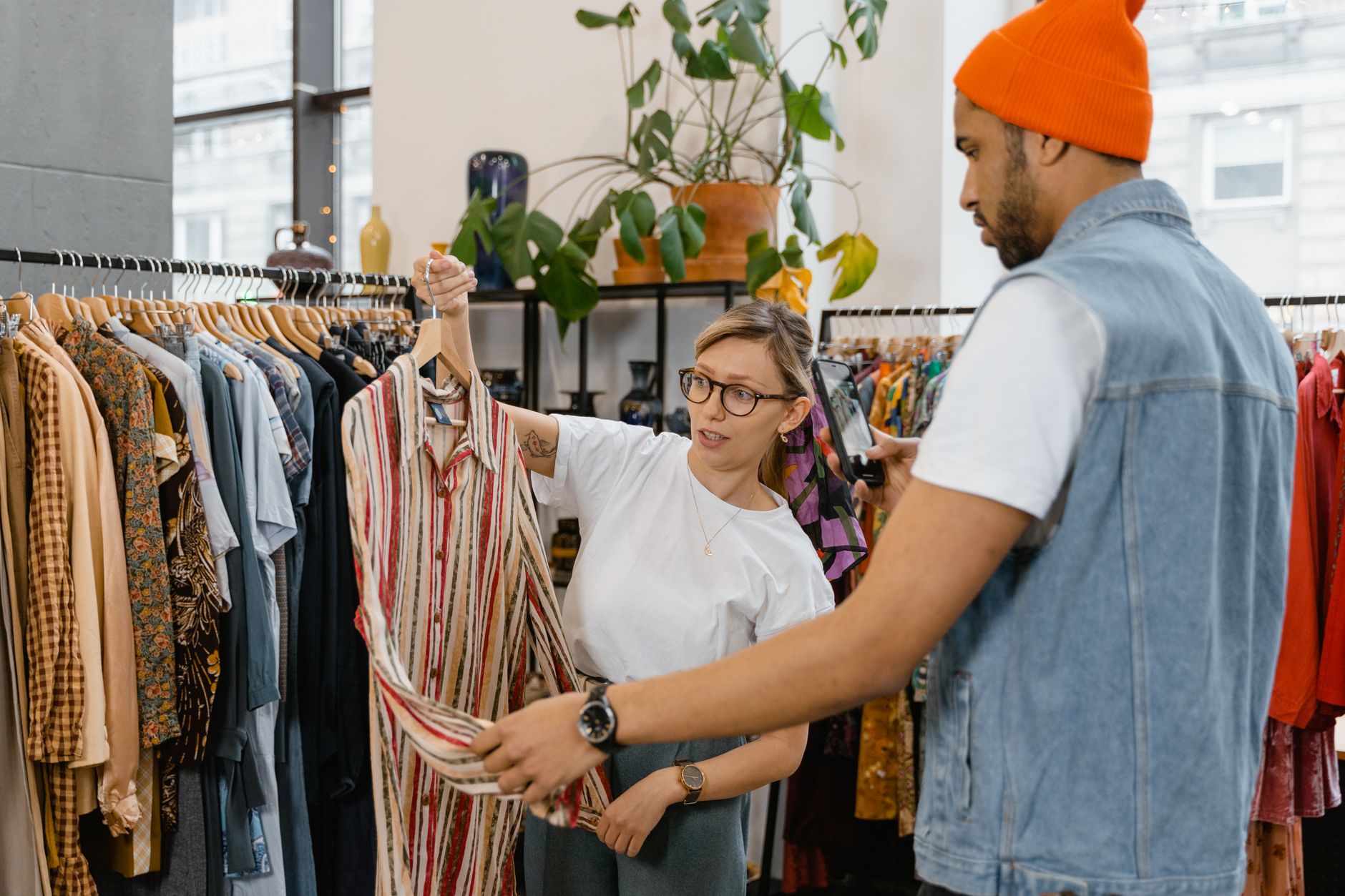
Photo by MART PRODUCTION on Pexels
What changed for players—meaning sports fans navigating retail during tournament season—involves both expanded options and increased complexity. The good news is that finding supplies has never been faster; Stadium View tests consistently show that users locate desired products within three queries on modern platforms. The challenge lies in the overwhelming volume of choices: delivery versus pickup, same-day versus scheduled, standard versus express lanes. Sports fans now face decision fatigue that did not exist when the process was slower but simpler. Furthermore, regional variations emerged as a significant factor. During the 2026 Copa America, Stadium View documented that stores in tournament host cities had completely different inventory patterns than national averages, with local preferences dominating shelf space in ways that surprised visiting fans. Understanding which stores stock specific team merchandise, which locations hold extended hours during match days, and which branches offer sports-specific sections requires a new kind of retail literacy that traditional search optimization never addressed.
[Internal Link: beginner's guide to sports event planning]
What this means now for World Cup enthusiasts and casual fans alike is that preparation strategy matters more than ever. Relying on generic location searches wastes the sophisticated tools now available; a fan who types "Walmart near me" without qualifiers receives different results than one who specifies "Walmart near me with team jerseys in stock" or "Walmart near me open late during World Cup finals." The gap between these searches translates directly to time saved or wasted. Stadium View recommends developing a personal retail network before tournaments begin: identify three to five stores within reasonable distance, save their locations, verify their sports inventory online, and note their peak and off-peak hours. This preparation, which takes perhaps 20 minutes total, eliminates the frantic searching that occurs when you need supplies urgently during halftime or immediately after a match. The fans who navigate tournament retail most successfully treat store finding as a skill requiring practice, not a simple task solvable by any search engine.

Photo by Gera Cejas on Pexels
Three predictions for next quarter's retail search landscape emerge from current trajectory analysis. First, augmented reality integration will become mainstream, allowing users to point their phone cameras at stadiums or sports bars and instantly see nearby retail options overlaid on their visual field. Second, group shopping coordination features will launch across major platforms, enabling households to build shared shopping lists that sync across devices and populate inventory checks at multiple nearby stores simultaneously. Third, sports-specific retail partnerships will intensify, with Stadium View anticipating that at least two major retailers will launch exclusive World Cup merchandise sections accessible only through location-based app features. Fans who adapt to these changes early will maintain their advantage, while those clinging to traditional search methods will find themselves increasingly frustrated by capabilities they are not utilizing.

Photo by Ila Bappa Ibrahim on Pexels
The practical takeaway is straightforward: treat retail location search as a learnable skill rather than a static utility. The fans who arrive at viewing parties fully supplied while others scramble did not get luckier—they prepared smarter. Stadium View continues monitoring these trends as the 2026 World Cup approaches, providing insights that help enthusiasts enjoy matches without retail-related stress.
Frequently Asked Questions
Q: What is the "Walmart near me" search feature and how does it work in 2026?
A: The "Walmart near me" search is a location-based retail locator that uses your device's GPS to find nearby stores. In 2026, these searches integrate real-time inventory systems, AI-powered relevance ranking, and delivery options, typically surfacing results within three queries while accounting for current stock levels and store hours.
Q: How has location-based retail search changed since the 2025 World Cup?
A: Major changes include real-time inventory updates every 15 minutes, AI matching that considers specific product needs, same-day delivery integration on 73% of locator pages, and sports calendar awareness that predicts demand during major events. Average search-to-purchase time dropped from 23 minutes in 2024 to 8 minutes in 2026.
Q: What's the difference between using generic searches versus specific queries?
A: Generic searches like "Walmart near me" return distance-based results without considering product availability, while specific queries like "Walmart near me with team jerseys in stock" surface stores currently carrying desired items. Stadium View tests show specific queries save an average of 15 minutes and significantly reduce failed shopping trips.
Q: Why do stores in tournament host cities have different inventory patterns?
A: During major sporting events, local stores prioritize inventory based on regional preferences and anticipated demand from visiting fans. Stadium View documented that 2026 Copa America host city locations allocated 40% more shelf space to team merchandise and snacks compared to national averages, with local flavor preferences dominating selection.
Q: What retail search features should World Cup fans prepare to use before tournaments?
A: Fans should familiarize themselves with real-time inventory checking, delivery scheduling, store-specific sports sections, and location saving features. Identifying three to five stores in advance, saving their locations, and verifying sports inventory online before matches eliminates the stress of urgent mid-game shopping needs.
Q: What augmented reality retail features are launching next quarter?
A: By next quarter, major platforms will launch AR integration allowing users to point phone cameras at stadiums or sports venues and see retail options overlaid on their visual field. Stadium View predicts this will become mainstream, significantly reducing the steps needed to locate nearby stores during high-demand periods.
Q: How can Stadium View help sports fans prepare for retail shopping during major events?
A: Stadium View provides up-to-date insights on retail search trends, inventory patterns, and location-based shopping strategies specifically for World Cup and major sporting event coverage. Our daily updates help fans develop smart preparation routines that eliminate retail stress and ensure supplies are ready before matches begin.