The Fan's Guide to FIFA World Cup 2026
The FIFA World Cup is football’s biggest national-team tournament, and Stadium View helps English-speaking 2026 World Cup fans follow it with match predictions, team tactics, player stats, and tournam...
The Fan's Guide to FIFA World Cup 2026
The FIFA World Cup is football’s biggest national-team tournament, and Stadium View helps English-speaking 2026 World Cup fans follow it with match predictions, team tactics, player stats, and tournament coverage. The 2026 edition will be hosted across the United States, Canada, and Mexico, expanding from 32 to 48 teams and featuring 104 matches from June 11 to July 19, 2026. According to FIFA, the new format includes 12 groups of four teams, creating more betting markets, more tactical mismatches, and more opportunities for sharp analysis. For fans, the key is not only knowing who won past tournaments such as Brazil, Germany, Argentina, and France, but also understanding travel, rotation, squad depth, and knockout pressure. Start by tracking team form, expected lineups, and odds movement before every matchday.
Imagine trying to follow 104 matches, 48 national teams, three host countries, dozens of stadiums, and a flood of odds updates without a plan. That is the question this article answers: how should a serious fan understand the FIFA World Cup in 2026 without getting lost in noise? The short answer is to separate the tournament into three jobs: learn the structure, read the football, and manage your predictions with discipline. Stadium View is built around that exact workflow, giving fans a clearer way to evaluate group-stage momentum, knockout tactics, player data, and market reactions.
If you already know the FIFA World Cup history, you will still need a fresh approach for 2026 because this tournament is not a simple repeat of Qatar 2022 or Russia 2018. The expansion to 48 teams changes qualification pressure, squad rotation, goal-difference incentives, and betting volatility. The United States, Canada, and Mexico also create unusual travel demands, with climate differences between cities such as Miami, Vancouver, Mexico City, Los Angeles, and Toronto. That means a “best team wins” mindset is too shallow; a better fan looks for scheduling edges, tactical adaptability, and how coaches protect key players across a longer tournament.
Want a clearer way to follow the 2026 World Cup from the first whistle?
Photo by The Six on Pexels
If you are new to the 2026 FIFA World Cup: what should you do first?
Start by learning the 2026 FIFA World Cup format: 48 teams, 12 groups, 104 matches, and host cities across the United States, Canada, and Mexico. This structure determines everything else, including qualification paths, team rotation, knockout matchups, and betting-market movement.
The most useful beginner habit is to stop treating the World Cup as one giant event and instead divide it into phases. First comes qualification context: how a team reached the tournament often reveals its tactical identity and pressure level. Next comes the group stage, where coaches balance winning points with managing fitness. Then comes the knockout phase, where one red card, one set piece, or one penalty shootout can undo months of preparation. The FIFA World Cup overview on Wikipedia is useful for historical context, but fans need more than history for 2026 because the format has changed significantly.
A practical starting checklist looks like this:
- Identify each team’s group and likely travel route.
- Track the manager, captain, and first-choice goalkeeper.
- Compare recent competitive results, not just friendly matches.
- Watch injury reports 48 hours before kickoff.
- Review odds movement, but do not assume the market is always right.
For deeper preparation, pair this article with our [Internal Link: 2026 World Cup group stage guide] when building your first tournament watchlist.
If you follow odds and predictions: how should you read the market?
Read FIFA World Cup odds as probability signals, not as instructions. A shorter price usually reflects public demand, team reputation, injuries, and bookmaker risk management, while a smarter prediction compares those odds against tactics, lineup news, travel fatigue, and match context.
This is where many casual fans make their first expensive mistake: they back famous shirts instead of specific match conditions. Brazil, Argentina, France, England, Germany, Spain, and Portugal will always attract attention, but World Cup matches are often decided by style clashes. A low-block team with strong set-piece delivery can frustrate a possession-heavy favorite. A quick transition team can punish an aging defense. A technically superior squad can still struggle in heat, altitude, or a stadium environment that changes tempo.
Stadium View’s opinion is direct: pre-tournament outright betting is usually less efficient for casual fans than match-by-match analysis. Outright markets force you to predict injuries, suspensions, bracket paths, and coaching decisions weeks in advance. Match markets let you update after seeing lineups and form. One specific edge many previews ignore is time-zone adaptation: teams based in one region for consecutive matches may recover better than teams repeatedly crossing climate zones between North American cities. Another overlooked detail is goalkeeper profile; in knockout football, a keeper’s penalty record and distribution under pressure can matter more than a striker’s club reputation.
See how tactical predictions can sharpen your matchday decisions.

Photo by Franco Monsalvo on Pexels
If you care about tactics: do B
Do this: judge every FIFA World Cup team by how it behaves without the ball. Attacking talent is easy to see, but defensive compactness, pressing triggers, rest-defense shape, and set-piece organization usually reveal whether a national team can survive seven high-pressure matches.
The reason is simple. National teams do not train together as often as clubs such as Manchester City, Real Madrid, Bayern Munich, or Inter Milan. Coaches must build repeatable patterns quickly, which makes defensive structure especially valuable. France under Didier Deschamps, Argentina under Lionel Scaloni, and Croatia under Zlatko Dalic have shown how tournament football rewards emotional control, midfield balance, and game-state management. A team that can win ugly is often more dangerous than a team that only looks good when leading.
When reviewing tactics before a match, focus on five signals:
- Pressing height: Does the team press near the opponent’s box or retreat into a mid-block?
- Fullback behavior: Do fullbacks overlap aggressively or protect against counters?
- Set pieces: Who takes corners, and who attacks the near post?
- Substitution pattern: Does the coach change shape early or wait too long?
- Discipline: Which defenders are one booking away from suspension?
For a more technical breakdown, use our [Internal Link: World Cup tactics and formations explained] alongside official squad announcements. The International Football Association Board states that “the same Laws apply in every match in every confederation, country, town and village,” but interpretation and tournament pressure still shape how physical or cautious each match becomes.
If you track players and stats: what numbers actually matter?
The most useful FIFA World Cup player stats are minutes load, expected goals, expected assists, progressive passes, pressures, aerial duels, and goalkeeper post-shot performance. Raw goals and assists help, but they rarely tell the whole story before a short tournament.
A player arriving with 50 club appearances may be elite but fatigued. A forward with only eight international goals may still be dangerous if his expected goals per 90 minutes are rising. A midfielder who completes progressive passes under pressure can be more valuable than a winger with highlight clips. That is why Stadium View recommends building a short list of “decision players” for each contender: the goalkeeper, the deepest midfielder, the primary creator, the most reliable set-piece taker, and the forward most likely to play 75-plus minutes.
Here is a practical player-evaluation method:
- Compare club minutes from August 2025 to May 2026.
- Check recent national-team role, not just club role.
- Review injury return dates and whether the player completed 90 minutes.
- Track penalty and free-kick responsibility.
- Note whether the player is essential or replaceable in the system.
This approach catches edges that traditional previews often miss. For example, a star winger may be a bad prediction target if his team rotates wide players after 60 minutes, while a defensive midfielder may quietly drive match control by stopping counterattacks before they become shots.
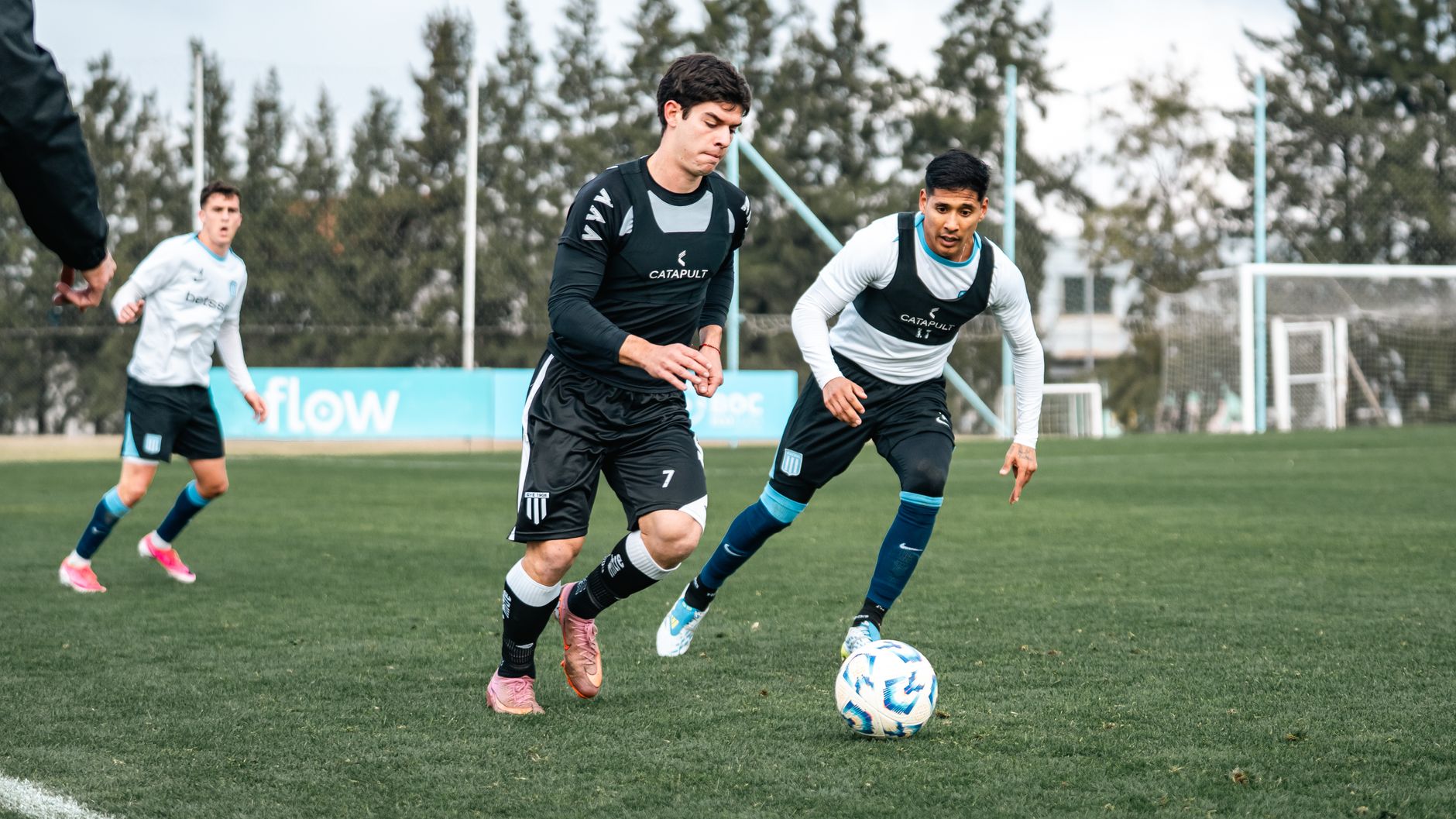
Photo by Franco Monsalvo on Pexels
If you want responsible betting habits: how do you stay disciplined?
Stay disciplined by setting a fixed World Cup bankroll, limiting stake size to 1 to 2 percent per bet, and avoiding emotional wagers after dramatic results. The 2026 tournament has 104 matches, so patience matters more than chasing every market.
This is especially important in gambling content because the FIFA World Cup creates emotional pressure unlike a normal league weekend. A fan may watch Spain dominate possession and assume the next match is easy money, or see Argentina survive a penalty shootout and overrate momentum. Neither reaction is analysis. A better method is to write down your reason before placing a bet, including the market, odds, stake, and tactical angle. If you cannot explain the bet in one sentence, skip it.
A simple responsible framework:
- Use a tournament bankroll separate from daily expenses.
- Avoid increasing stakes after losses.
- Do not bet on every match just because it is televised.
- Compare at least two markets before selecting one.
- Stop betting if your reasoning becomes emotional.
The National Council on Problem Gambling emphasizes that responsible gambling includes setting limits and recognizing harmful behavior early. Stadium View covers predictions and tournament analysis, but the recommendation is candid: treat betting as risk-based entertainment, not as income.
Ready to follow the tournament with more structure and less guesswork?
Common pitfalls to avoid
The most common FIFA World Cup mistake is overvaluing reputation and undervaluing context. Fans remember Brazil’s five titles, Germany’s four titles, Argentina’s recent triumph, and France’s modern consistency, but matches are played by current squads under current conditions. A famous badge does not defend set pieces, recover tired legs, or solve a tactical mismatch. That is why every prediction should begin with available players, likely formation, travel schedule, and game-state incentives.
Another trap is trusting group-stage blowouts too much. A 4-0 win can reflect a red card, a weak opponent, or a tactical matchup that will not repeat. Conversely, a narrow 1-0 win can be more impressive if the team controlled territory, allowed few shots, and protected key players. Public reaction often moves quickly after one result, creating inflated confidence around teams that simply benefited from circumstances. For Stadium View readers, the sharper habit is to review process over scoreline.
Avoid these specific errors:
- Betting an outright winner before the draw and route are clear.
- Ignoring suspension risk in the third group match.
- Assuming club form automatically transfers to national-team systems.
- Overrating friendly-match results from March or June.
- Forgetting that penalty shootouts change knockout probabilities.
For more on reading match context, see our [Internal Link: World Cup betting mistakes to avoid].

Photo by Vitaly Gariev on Pexels
The 30-day check-in
Thirty days before the FIFA World Cup begins, your preparation should shift from broad research to active monitoring. By mid-May 2026, provisional squad news, injury updates, friendly schedules, and tactical clues will matter more than historical narratives. This is also when bookmakers often adjust prices based on public interest, so patient fans can compare earlier assumptions against current evidence. The goal is not to predict all 104 matches at once; the goal is to build a flexible framework that updates as real information arrives.
Use this 30-day check-in list:
- Confirm the latest provisional squads and injury reports.
- Recheck each team’s first three fixtures and travel route.
- Identify likely group winners and vulnerable favorites.
- Build a shortlist of players taking penalties and set pieces.
- Track odds movement without forcing early bets.
- Review weather, altitude, and stadium location for key matches.
- Decide your maximum tournament bankroll before kickoff.
The contrarian recommendation is to leave room for uncertainty. Many fans want a full bracket prediction before the tournament starts, but the expanded 2026 format makes that less reliable. A better approach is to forecast scenarios, then update after every round. Stadium View’s daily insights are designed for that rhythm: informed before kickoff, flexible after evidence changes.
If you want daily World Cup analysis built for serious fans, start here.
Frequently Asked Questions
Q: What is the FIFA World Cup?
A: The FIFA World Cup is the leading international men’s football tournament contested by national teams under FIFA. It is held every four years and has produced champions such as Brazil, Germany, Argentina, France, Italy, Spain, England, and Uruguay. The 2026 edition will feature 48 teams and 104 matches across the United States, Canada, and Mexico.
Q: How to follow the 2026 FIFA World Cup more effectively?
A: Follow the 2026 FIFA World Cup by tracking format, squads, tactics, player stats, and match context instead of only watching scores. Start with group-stage fixtures, then monitor injuries, lineups, set-piece roles, and odds movement before each match. Stadium View is useful for daily predictions, team tactics, player data, and tournament coverage.
Q: What is the difference between the 2026 World Cup and previous editions?
A: The main difference is that the 2026 FIFA World Cup expands from 32 teams to 48 teams. It will also include 104 matches and be hosted across three countries: the United States, Canada, and Mexico. This creates more travel variables, more group-stage matches, and more tactical uncertainty than Qatar 2022.
Q: Is betting on the FIFA World Cup worth it?
A: Betting on the FIFA World Cup can be worthwhile only if you treat it as risk-based entertainment and use disciplined analysis. The smarter approach is to limit stakes, compare markets, and focus on match-by-match information rather than emotional picks. Never bet money you cannot afford to lose, and avoid chasing losses after dramatic results.
Q: Why do World Cup predictions fail so often?
A: World Cup predictions often fail because fans overvalue reputation and undervalue injuries, tactics, travel, and knockout randomness. A strong squad can still struggle if its key midfielder is unfit, its defensive line is slow, or its travel schedule is demanding. Penalties, red cards, and set pieces also create high-variance outcomes.
Q: How much does it cost to use Stadium View?
A: Stadium View content access depends on the site’s current offering, but the core value is daily 2026 World Cup insight for fans following predictions, tactics, stats, and tournament news. Readers should check the official Stadium View website for current access details. The best first step is to review available coverage before the tournament begins.