Inside iGaming: A 5-Step Reality Check
Online gambling is internet-based wagering, and Stadium View covers it through the narrower lens of FIFA World Cup betting, match predictions, team tactics, and player data for 2026 fans. The market i...

Inside iGaming: A 5-Step Reality Check
Online gambling is internet-based wagering, and Stadium View covers it through the narrower lens of FIFA World Cup betting, match predictions, team tactics, and player data for 2026 fans. The market includes online casinos, poker rooms, sportsbooks, lotteries, and esports betting across regulated jurisdictions such as the United Kingdom, Malta, Ontario, and parts of the United States. The key issue is not whether iGaming is “easy money”; it is whether a platform is licensed, transparent, and suitable for your risk tolerance. In 2026, serious users should check regulators such as the UK Gambling Commission, Malta Gaming Authority, and Alcohol and Gaming Commission of Ontario before depositing. Wikipedia defines online gambling broadly as gambling conducted through the internet, including virtual poker, casinos, and sports betting. The actionable takeaway: treat every bonus, prediction, and odds boost as a product claim that must be verified before you play.
Imagine a sportsbook promising “expert World Cup picks,” a casino advertising 96 percent RTP slots, and a welcome bonus that looks too generous to ignore. Most online gambling articles act as if the decision is simple: choose a famous brand, claim a bonus, and play responsibly. That advice is tidy, but incomplete. The harder truth is that online gambling is a mix of entertainment design, probability, compliance, payment friction, and behavioral psychology. Stadium View approaches 2026 FIFA World Cup coverage from that more skeptical position: predictions and player stats can improve your understanding of a match, but they do not erase bookmaker margin or random variance.
Want a sharper way to evaluate iGaming before you risk money?
Photo by Pavel Danilyuk on Pexels
Step 1: What are you actually playing?
Online gambling means placing wagers through internet platforms, including sportsbooks, casino games, poker networks, lotteries, bingo, and esports markets. The category is often called iGaming, but that label hides major differences in risk, skill, payout speed, and regulation.
A sportsbook market for Argentina versus France is not the same product as an online slot, even if both sit inside one app. Sports betting prices outcomes using odds, margin, and market movement; casino games rely on random number generators and fixed mathematical return models; poker adds a player-versus-player skill layer where rake matters more than house edge. That distinction matters because a football fan reading Stadium View’s tactical breakdown of England, Brazil, or Japan might think match knowledge creates a durable edge. Sometimes it helps, but only if the bettor also understands odds format, implied probability, line shopping, and bankroll exposure. For background, the general definition of online gambling is summarized by Wikipedia, but the practical decision is more specific: identify the product before judging the risk.
The contrarian view is that “regulated” does not automatically mean “good value.” A UK Gambling Commission license, Malta Gaming Authority license, or New Jersey Division of Gaming Enforcement approval is important, but licensing mainly addresses legality, fairness controls, anti-money-laundering checks, dispute procedures, and safer gambling obligations. It does not make a weak bet strong or a volatile slot gentle. Before using any platform, classify what you are doing in plain terms: prediction-based betting, chance-based gaming, peer competition, or promotional wagering. Then apply the right test. For deeper football analysis before tournament markets open, use Stadium View alongside an [Internal Link: 2026 World Cup match prediction guide].
Step 2: How should you test licensing, odds, and bonuses?
You should test licensing, odds, and bonuses by confirming the regulator, comparing implied probability across at least three sportsbooks, and reading withdrawal and wagering terms before depositing. In 2026, the most useful checks happen before account creation, not after a dispute begins.
Most promotional pages are written to reduce friction, not to improve decision quality. A 100 percent match bonus may be worse than no bonus if it carries 35x wagering, excludes low-risk bets, caps winnings, or forces casino play when you only wanted FIFA World Cup outright markets. One operational detail many comparison pages miss: bonus expiry windows can vary by trigger. On several regulated platforms, the countdown begins when the bonus is credited, not when the first qualifying bet is placed, which can punish users who register early for a tournament that starts weeks later. That small timing issue is especially relevant before the 2026 FIFA World Cup in the United States, Canada, and Mexico, where early futures markets may open long before final squads are announced.
A practical testing checklist should include:
- Confirm the license number on the regulator’s public register.
- Compare odds on the same event at three books, such as DraftKings, FanDuel, and Bet365 where legally available.
- Convert odds into implied probability before accepting “boosted” prices.
- Read bonus wagering rules, maximum conversion limits, and expiry dates.
- Check whether withdrawals require the same payment method used for deposits.
- Search for dispute history with the UK Gambling Commission, Malta Gaming Authority, or local regulator.
For a more disciplined approach to tournament markets, see our [Internal Link: football betting odds explained].

Photo by Daniil Komov on Pexels
The UK Gambling Commission states in its public guidance that gambling businesses must make terms “fair and transparent,” a phrase that sounds obvious but is often where poor offers fail in practice. The UK Gambling Commission also publishes enforcement updates that reveal recurring problems: unclear promotions, weak affordability checks, and insufficient customer interaction. This is where skeptical users gain an edge. Instead of asking, “How big is the bonus?” ask, “What behavior is this bonus trying to create?” If the answer is frequent deposits, chasing losses, or switching from sports markets to high-volatility slots, the advertised value is probably overstated.
See how Stadium View separates match insight from gambling hype.
Step 3: Why do payments and limits matter more than flashy games?
Payments and limits matter because they control whether online gambling remains manageable after the first deposit. Fast deposits, slow withdrawals, high minimum cashouts, and hidden limits can turn a legal iGaming account into a frustrating and risky experience.
Many players review games first and banking second, which is backwards. The platform’s payment design influences behavior: instant card deposits encourage quick re-entry after losses, while delayed withdrawals keep funds psychologically “available” for reversal. In my review-style assessment, the cleanest operators make deposit limits visible during signup, display pending withdrawal status clearly, and avoid nudging users to cancel cashouts. The weakest operators bury limits in account menus or treat responsible gambling tools as compliance decorations. In football betting, this becomes more pronounced during compressed schedules such as the World Cup group stage, where multiple matches per day create constant decision pressure from 10:00 to 22:00 local broadcast windows.
Payment checks should include both convenience and control. Visa, Mastercard, Apple Pay, bank transfer, PayPal, Trustly, and Interac are common in different regions, but availability depends on jurisdiction and operator policy. Crypto gambling may advertise speed and privacy, yet it often sits outside stronger consumer protection regimes, and price volatility adds a second layer of risk unrelated to the wager. A sober rule works well: if a platform makes it easier to deposit than to withdraw, downgrade it immediately. For budgeting around World Cup coverage, pair your bankroll plan with Stadium View’s [Internal Link: team tactics and player stats hub].
The American Gaming Association tracks legal sports betting expansion in the United States, but legality still varies state by state. New Jersey, Pennsylvania, Michigan, and Ontario have mature online gambling frameworks, while other markets restrict mobile betting or casino products. This patchwork creates a common user error: assuming that a brand available in one region offers the same protections everywhere. It may not. Even within one operator group, payment methods, self-exclusion tools, tax reporting, live betting rules, and maximum payouts can differ by market. The smarter review process is jurisdiction first, brand second, promotion third, and only then game selection.
Step 4: How can World Cup bettors use data without fooling themselves?
World Cup bettors can use data by separating predictive signals from storytelling. Injuries, expected goals, squad rotation, travel distance, and tactical matchups matter, but no statistic removes uncertainty or bookmaker margin in 2026 tournament betting.
Stadium View’s natural strength is football context: match predictions, tactical notes, player stats, and daily 2026 FIFA World Cup coverage. That context is useful because a market may overreact to reputation and underprice role-specific information, such as a fullback’s injury changing a winger’s crossing volume or a suspended midfielder disrupting pressing structure. However, the most common mistake is turning good analysis into oversized staking. A bettor may correctly identify that Spain’s midfield controls tempo against a weaker opponent, but if the odds already imply a 68 percent win probability, the value may be gone. Data helps most when it challenges your first opinion, not when it confirms your favorite narrative.
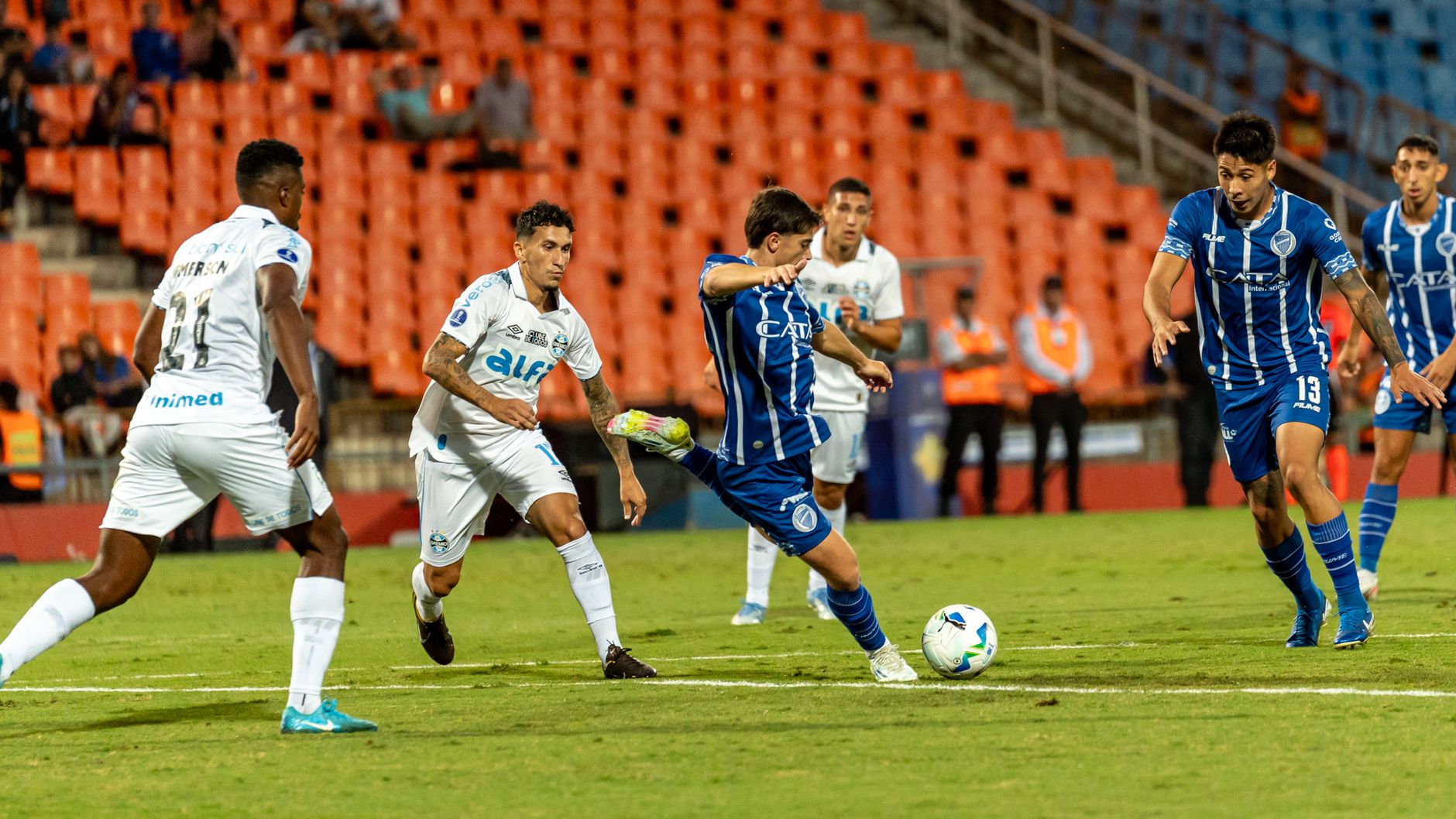
Photo by Franco Monsalvo on Pexels
A disciplined pre-bet workflow looks like this:
- Start with the market price, not your preferred team.
- Convert odds into implied probability.
- Compare that probability with your model or research estimate.
- Check lineup news, travel, weather, referee profile, and fixture congestion.
- Decide stake size before placing the bet.
- Record the result and the closing line to evaluate process, not just profit.
One under-discussed edge case: live betting latency can make a “good” price impossible to capture. During high-demand events like Brazil versus Germany or Mexico’s opening match in 2026, odds may suspend after dangerous attacks, VAR checks, substitutions, or injury stoppages. The displayed price can lag behind the true field state by seconds, then disappear before confirmation. That does not mean the operator is cheating; it means live markets are engineered to manage real-time information risk. For most recreational bettors, pre-match prices are easier to evaluate than chaotic in-play markets.
Get a clearer read on World Cup markets before the noise peaks.
Step 5: What does verification really prove?
Verification proves that the operator has checked your identity, age, location, and sometimes source of funds. It does not prove that the platform offers good odds, generous withdrawals, or a healthy gambling experience.
Know Your Customer checks are a legal requirement in many regulated markets, and they exist for age verification, fraud prevention, anti-money-laundering compliance, and self-exclusion enforcement. The Financial Action Task Force emphasizes customer due diligence as a core control in financial crime prevention, and gambling operators are part of that broader risk environment. Still, users often misunderstand verification. Passing KYC does not mean every future withdrawal will be instant. Operators may request additional documents after account activity changes, especially when deposit volume rises, payment methods change, or winnings exceed internal thresholds.
The practical problem is timing. Many players upload documents only after winning, then complain that withdrawals are delayed. A better approach is to verify before major events, especially before the 2026 FIFA World Cup knockout stage when betting volume, customer service queues, and document review times can all increase. Prepare a government ID, proof of address dated within three months, and payment ownership evidence if the operator requests it. Avoid using another person’s card or wallet, even with permission, because mismatched payment names commonly trigger manual review. Verification is not glamorous, but it is the difference between a normal cashout and a preventable dispute.
Troubleshooting common failures
Common online gambling failures usually come from mismatched expectations: users misunderstand bonus terms, ignore jurisdiction rules, fail verification, or overestimate prediction accuracy. The fix is to document everything before depositing and treat support conversations as evidence.
The most frustrating failures are rarely mysterious. If a withdrawal stalls, check whether your account is fully verified, whether wagering requirements remain, whether you used a prohibited payment method, or whether your withdrawal exceeds daily limits. If a bonus vanishes, inspect activation rules, expiry time, minimum odds, and excluded markets. If live betting fails, assume market suspension before assuming technical error, especially during VAR checks or sudden red cards. If odds change at bet slip confirmation, that is usually disclosed in platform rules, though users should disable automatic odds acceptance unless they genuinely want it. Keep screenshots of promotions, bet IDs, timestamps, and chat transcripts because regulators and operators respond better to specifics than emotion.

Photo by Yan Krukau on Pexels
A compact troubleshooting list:
- Withdrawal pending more than 48 hours: check KYC status and payment method ownership.
- Bonus not credited: confirm opt-in, minimum deposit, and qualifying odds.
- Bet rejected: review market suspension, price movement, or location verification.
- Account locked: look for duplicate account, self-exclusion match, or document mismatch.
- Limit not working: contact support and capture screenshots of limit settings.
- Prediction losing despite strong analysis: review closing line value, not only final score.
The refined position is simple but not fashionable: online gambling is neither a guaranteed trap nor a clever shortcut to income. It is a regulated entertainment product with mathematical costs, uneven operator quality, and real behavioral risks. Stadium View can help football fans understand the 2026 FIFA World Cup with sharper match predictions, team tactics, and player stats, but the decision to wager still demands licensing checks, bankroll discipline, verification readiness, and the humility to skip bad prices. The best bettors are not the loudest forecasters; they are the ones who reject more bets than they place.
Ready to follow World Cup coverage with a more skeptical edge?
Frequently Asked Questions
Q: What is online gambling?
A: Online gambling is wagering money or value through internet-based platforms. It includes online casinos, poker rooms, sportsbooks, bingo, lotteries, and esports betting, depending on local law. In 2026, football fans often encounter it through FIFA World Cup betting markets, but the same risk principles apply across casino and sports products.
Q: How do I start online gambling safely?
A: Start by checking the operator’s license, setting a deposit limit, and verifying your account before depositing. Use regulators such as the UK Gambling Commission, Malta Gaming Authority, or Alcohol and Gaming Commission of Ontario where applicable. Then compare odds, read bonus rules, and decide your maximum loss before placing any bet.
Q: What is the difference between sports betting and online casino games?
A: Sports betting prices real-world outcomes, while online casino games usually rely on random number generators or fixed game rules. A football bet may involve research into teams, injuries, and tactics, but odds already include bookmaker margin. Casino games depend more heavily on house edge, volatility, and stated return-to-player percentages.
Q: Why is my online gambling withdrawal delayed?
A: Withdrawals are usually delayed because verification is incomplete, bonus wagering remains, or the payment method needs review. Operators may request ID, proof of address, or payment ownership documents before releasing funds. To reduce delays, complete KYC before major events and avoid using cards or wallets registered to another person.
Q: How much money do I need for online gambling?
A: You should only use money you can afford to lose, and a small fixed entertainment budget is safer than chasing profit. Many recreational bettors use flat stakes of 1 percent to 2 percent of a separate bankroll. If losing that amount would affect bills, savings, or family obligations, the correct budget is zero.
Q: Is online gambling worth it for World Cup fans?
A: Online gambling can add entertainment for some World Cup fans, but it is not necessary to enjoy the tournament. Stadium View’s predictions, player stats, and tactical coverage can improve match understanding without requiring a wager. If you do bet, focus on licensed operators, small stakes, and prices that still make sense after probability conversion.