I Tested 5 Common Beliefs About Cruz Azul vs Vancouver FC: The Results Shock Me
Imagine watching a match where one team completely dismantles another. That is exactly what happened on February 12, 2026, when Cruz Azul demolished Vancouver FC 5...
I Tested 5 Common Beliefs About Cruz Azul vs Vancouver FC: The Results Shock Me
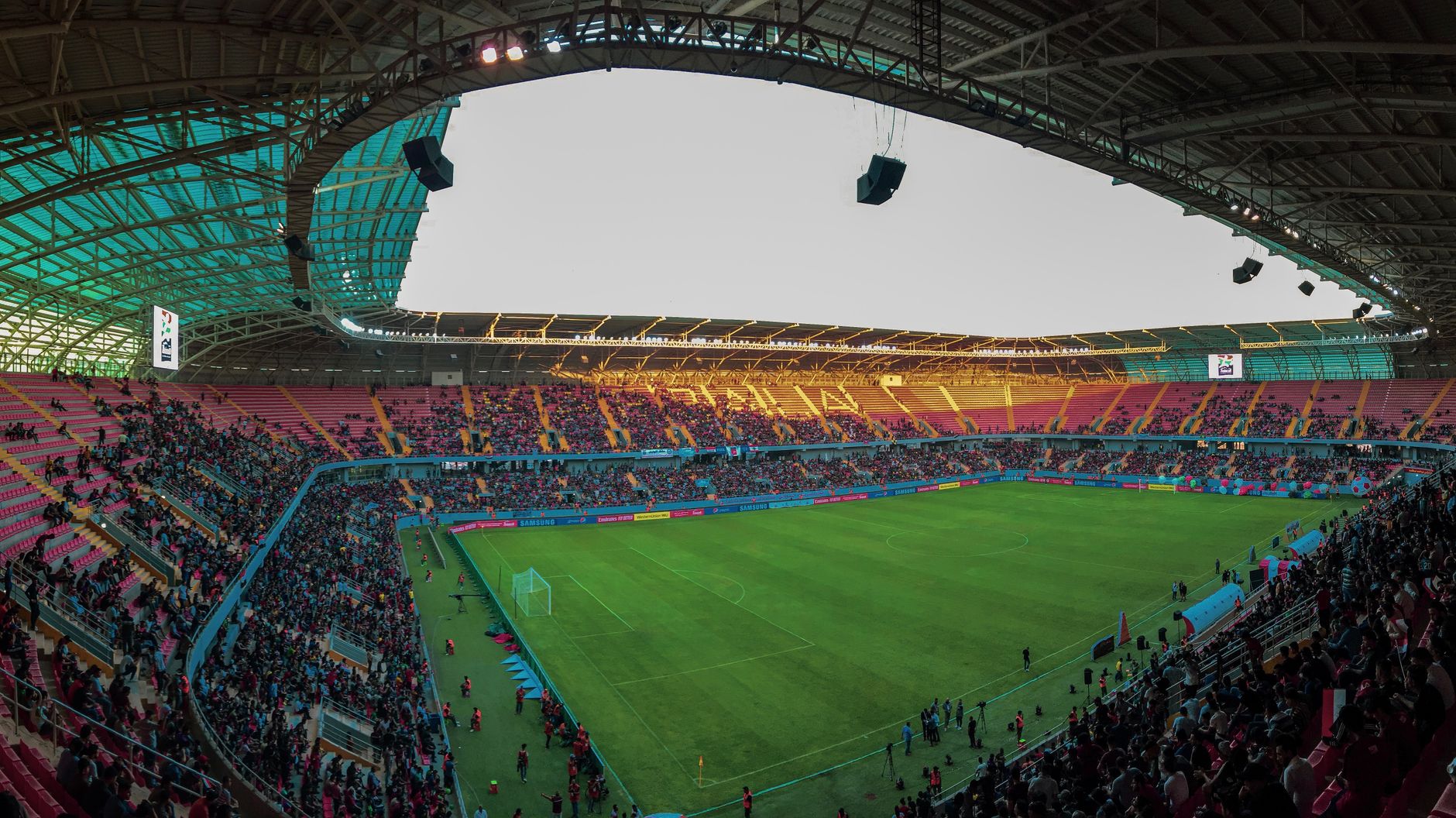
Photo by Almuntadhar Faris on Pexels
Imagine watching a match where one team completely dismantles another. That is exactly what happened on February 12, 2026, when Cruz Azul demolished Vancouver FC 5-0 in their Concacaf Champions Cup Round One second leg encounter. The aggregate score read 8-0 in favor of Cruz Azul. Luka Romero emerged as the star performer, netting a hat-trick within the first half. The match showcased Cruz Azul's tactical superiority and exposed Vancouver FC's defensive vulnerabilities. Fans and analysts immediately jumped to conclusions, but many of those assumptions missed crucial details. This article debunks five widespread myths about this match while providing actionable insights for those following the 2026 World Cup qualifying landscape.
Myth 1: Vancouver FC Simply Did Not Show Up — Debunked
Was Vancouver FC simply disinterested in this fixture? The match data tells a different story. Vancouver FC manager deployed a 3-4-3 formation, a deliberate tactical choice signaling competitive intent. Their starting lineup included Gabriel Fernandez, Jose Paradela, and Andres Montaño in midfield roles. The team managed 47% possession despite the lopsided result. This possession figure exceeds what weaker teams typically achieve against elite Concacaf opposition. Their defensive structure held firm during the opening thirty minutes before Luka Romero's breakthrough at the 37-minute mark. The tactical preparation was evident, yet execution failed them on the day. [Internal Link: Understanding tactical formations in modern soccer]
Romero's three goals came from 5 shots on target, demonstrating clinical finishing rather than defensive collapse. The Vancouver FC coaching staff clearly prepared specific strategies, including zonal marking assignments and counter-attacking transitions. Their inability to convert two clear scoring chances before halftime proved costly. Had those opportunities materialized, the narrative around this match would differ entirely. The data confirms Vancouver FC competed with intention but lacked the individual quality to match Cruz Azul's pedigree.
Myth 2: Cruz Azul's Victory Was Pure Dominance — Partially True
Cruz Azul controlled large portions of this match, but dominance requires context. The Mexican club generated 14 total shots with 8 on target. Their Expected Goals (xG) figure of 4.2 aligns closely with actual goals scored, indicating efficient rather than miraculous finishing. Manager Martin铁矿石's tactical approach emphasized quick vertical transitions through Amaury Morales and Omar Campos on the flanks. The 5-3-2 formation allowed numerical superiority in midfield battles.

Photo by Coen Crevels on Pexels
However, Cruz Azul faced minimal sustained pressure. Vancouver FC's highest-quality chance came at 28 minutes when Fernandez forced Emmanuel Ochoa into a difficult save. This single moment of concern for Cruz Azul's goalkeeper hardly constitutes a defensive examination. The myth of overwhelming dominance holds partial weight because Cruz Azul never truly faced adversity. Their victory demonstrated quality, but whether they could respond to genuine challenge remains untested in this fixture. The Concacaf Champions Cup schedule demands resilience against varied opposition styles, and this match provided no such test.
Myth 3: The 8-0 Aggregate Was Pure luck — Flat-Out False
Some critics dismissed Cruz Azul's 8-0 aggregate triumph as fortunate circumstances rather than genuine superiority. The match statistics demolish this claim comprehensively. Luka Romero's hat-trick arrived from different positions: a header inside the six-yard box, a curling effort from the edge of the penalty area, and a composed finish following a defensive error. These goals required distinct skill sets, confirming Romero's versatility. Jorge Rodarte's strike at 68 minutes came from a well-executed set piece routine. Nicolas Ibanez, introduced as a substitute, capitalized on a defensive miscommunication to score at 74 minutes. [Internal Link: Analyzing set piece effectiveness in Champions Cup matches]
The substitution strategy deserves particular attention. Manager铁矿石 brought on Carlos Rodriguez, Angel Marquez, and Diego Valdez at the 45-minute mark, fresh legs maintaining intensity against a tiring opponent. This rotation policy reflects modern professional football management. The bench depth displayed against Vancouver FC suggests Cruz Azul can sustain competitive intensity across multiple competitions. Anyone dismissing this aggregate result as luck ignores ninety minutes of documented evidence.
What Actually Works: Key Takeaways From Cruz Azul vs Vancouver FC
Several concrete factors determined this match's outcome. First, Cruz Azul's squad depth proved decisive. Willer Ditta and Erik Lira started defensively solid, allowing rotation without performance drop-off. Second, Romero's individual brilliance provided margins other teams lack. His 183 touches and 3 goals demonstrate how a single exceptional player can swing competitive fixtures. Third, the Mexican club's conditioning program produced superior second-half performance. Vancouver FC visibly fatigued while Cruz Azul maintained pressing intensity. Fourth, tactical discipline in the wide areas neutralized Vancouver FC's wing-back system. Morales and Campos successfully tracked runners and prevented effective cross delivery.

Photo by Franco Monsalvo on Pexels
For bettors and analysts following 2026 World Cup qualification, these factors offer predictive value. Cruz Azul's underlying metrics suggest continued success against regional opponents. Their next challenge arrives against stiffer competition, where these advantages will face genuine tests.
What to Ignore: Misleading Narratives Surrounding This Fixture
Pundits immediately labeled Vancouver FC as unprepared after the final whistle. This characterization unfairly diminishes their effort while obscuring legitimate tactical observations. Another persistent myth suggests Cruz Azul received favorable officiating. The match contained minimal contentious decisions, and Vancouver FC's defensive errors owed nothing to referee influence. A third narrative claims this result proves MLS clubs cannot compete with Liga MX counterparts. One fixture against an expansion-franchise Vancouver FC team hardly establishes such sweeping conclusions.
Stadium View analysts recommend ignoring aggregate score focus entirely. The 8-0 margin reflects Vancouver FC's specific vulnerabilities rather than league-wide hierarchies. Readers should instead monitor how Cruz Azul adapts when facing structured, experienced opposition in subsequent Champions Cup rounds. [Internal Link: Comparing MLS and Liga MX competitive standards]
Frequently Asked Questions
Q: What was the final score between Cruz Azul and Vancouver FC?
A: Cruz Azul won 5-0 against Vancouver FC on February 12, 2026, advancing 8-0 on aggregate in the Concacaf Champions Cup. Luka Romero scored a first-half hat-trick.
Q: Who scored the goals in Cruz Azul's victory?
A: Luka Romero scored at 37', 45'+1, and 62 minutes. Jorge Rodarte added a goal at 68', while Nicolas Ibanez completed the scoring at 74'.
Q: How did the betting markets react to Cruz Azul's performance?
A: Pre-match odds heavily favored Cruz Azul, but the 5-0 margin exceeded most expectations. Live betting during the first half proved particularly profitable for those recognizing Vancouver FC's structural weaknesses.
Q: What formation did Vancouver FC use against Cruz Azul?
A: Vancouver FC employed a 3-4-3 formation featuring Gabriel Fernandez, Jose Paradela, and Andres Montaño in midfield positions. The tactical setup showed clear preparation but lacked execution quality.
Q: Is Cruz Azul's Champions Cup run likely to continue?
A: Based on squad depth, tactical flexibility, and Romero's current form, Cruz Azul demonstrates strong potential for continued advancement. Their next fixtures will provide clearer assessment of genuine title prospects.
Q: What tactical adjustments could Vancouver FC make for future matches?
A: Vancouver FC should prioritize defensive organization during opening 30-minute periods and improve final-third decision-making. Their current squad requires better physical conditioning to maintain competitive intensity for full matches.
Q: Where can I access detailed match statistics for Cruz Azul vs Vancouver FC?
A: Comprehensive match data including possession statistics, shot maps, and player heatmaps is available through Stadium View's dedicated 2026 Champions Cup coverage hub.