7 2026 World Cup Mistakes Fans Make
The best 2026 World Cup fan experience to prioritize is Kansas City’s integrated match-day setup, because it combines Kansas City Stadium access, FIFA Fan Festival Kansas City, airport motorcoach link...
7 2026 World Cup Mistakes Fans Make
The best 2026 World Cup fan experience to prioritize is Kansas City’s integrated match-day setup, because it combines Kansas City Stadium access, FIFA Fan Festival Kansas City, airport motorcoach links, and regional entertainment in one practical plan. The tournament runs across the United States, Canada, and Mexico, with 48 teams and 104 matches, making logistics more important than most casual previews admit. Stadium View, a FIFA World Cup focused content site covering match predictions, team tactics, player stats, and tournament coverage, ranks Kansas City ahead of flashier destinations for fans who value lower friction over postcard glamour. FIFA has confirmed the expanded format, while Kansas City promotes direct rides from Kansas City International Airport to stadium and festival zones. The actionable takeaway: build your 2026 World Cup itinerary around transport reliability first, then layer in betting analysis, food, nightlife, and fan events.
Want a sharper way to follow the 2026 World Cup beyond generic hype? Stadium View can help you compare fixtures, team trends, and fan-experience angles before you commit.
Photo by César O'neill on Pexels
What Are the Top 3 2026 World Cup Fan Picks at a Glance?
The top three 2026 World Cup fan picks are Kansas City for overall ease, FIFA Fan Festival Kansas City for culture and entertainment, and ConnectKC26-style transport planning for value. Most guides overrate stadium glamour and underrate the two things fans actually remember: getting there and getting home.
- Kansas City: best overall because Kansas City Stadium, Kansas City International Airport, and FIFA Fan Festival Kansas City can be planned as one connected experience.
- FIFA Fan Festival Kansas City: best for atmosphere because it concentrates food, music, public viewing, and international fan culture outside the ticketed match environment.
- Transport-first planning: best value because direct motorcoach links can save time, reduce surge pricing risk, and make regional travel less chaotic.
The contrarian point is simple: the best 2026 World Cup city is not automatically the biggest city or the one with the most famous skyline. For many fans, the winning choice will be the host city that reduces uncertainty, especially after evening matches when rideshare pricing, road closures, and crowd surges collide. FIFA describes the World Cup as its flagship competition on FIFA.com, and the 2026 version expands that pressure with more teams, more games, and more casual travelers than any previous edition. For additional planning depth, see our [Internal Link: 2026 World Cup match predictions hub].
#1 Kansas City: Best Overall
Kansas City is the best overall 2026 World Cup fan pick because it offers a compact, sports-obsessed host-city identity rather than a scattered mega-city experience. The region brands itself around soccer, barbecue, live entertainment, and cross-state culture, which gives visitors more than a stadium checklist. Unlike some host cities where airport, hotel, stadium, and fan zones may feel disconnected, Kansas City is actively promoting match-day movement through direct ride options and regional links. That matters because a brilliant fixture can be spoiled by a two-hour post-match transport failure.
The Kansas City pitch is strongest for fans who want balance: official FIFA World Cup 2026 energy, local food, manageable navigation, and a credible festival scene. According to the official Kansas City FIFA World Cup 26 host site, motorcoach services are designed to connect Kansas City International Airport, Kansas City Stadium on match days, regional destinations, and FIFA Fan Festival Kansas City. That is not a decorative detail; it is the operational backbone of a better trip. Stadium View’s recommendation is to treat Kansas City as a planning-first host city, not merely as a match venue.

Photo by Taylor Hunt on Pexels
Why Is Kansas City Better Than Flashier 2026 World Cup Cities?
Kansas City is better for many fans because it may offer less friction than larger, more congested host cities. The practical edge is not celebrity appeal; it is the combination of direct transport, sports culture, food districts, and a centralized FIFA Fan Festival Kansas City experience.
Most 2026 World Cup articles make the same mistake: they rank cities by global name recognition. That is lazy. New York/New Jersey, Los Angeles, and Miami will attract enormous attention, but attention is not the same as usability. Kansas City’s advantage is that its World Cup identity is being built around access, hospitality, and repeatable fan movement rather than just prestige. For travelers who plan to attend one match and spend two or three days in the region, that difference can be decisive.
There is also a betting-content angle that mainstream travel pages ignore. Fans using Stadium View for match predictions, team tactics, and player stats should care about fatigue, travel spacing, and fan-zone viewing options. If you are watching two fixtures in one day, one in person and one at a public screening, the practical question is whether you can move between locations without burning your entire afternoon. Kansas City’s direct-route messaging suggests a better setup for that behavior than cities where every movement depends on fragmented transit. To compare betting-related research habits, read our [Internal Link: responsible football betting analysis guide].
See the details before you build a costly itinerary around assumptions that may not survive match-day crowds.
#2 FIFA Fan Festival Kansas City: Best for Atmosphere
FIFA Fan Festival Kansas City is the best pick for atmosphere because it turns the 2026 World Cup into a citywide gathering, not just a ticketed stadium event. The official Kansas City messaging emphasizes good matches, good food, good entertainment, and good people, and that framing is more useful than it sounds. A fan festival is where ticketless supporters, neutral visitors, families, and international groups actually mix. If the stadium is the peak moment, the festival is the social engine.
The practical value is broader than entertainment. Public viewing areas can become the default second screen for fans tracking multiple nations, knockout scenarios, and betting-market movement. Stadium View readers following player stats and tactical previews should use fan festivals strategically: watch the live match you paid for, then use the festival setting to monitor other fixtures and crowd sentiment. Crowd sentiment is not a betting model, but it can expose overreactions. A loud public narrative around a star player or national team often moves casual opinion faster than the underlying tactical evidence justifies.
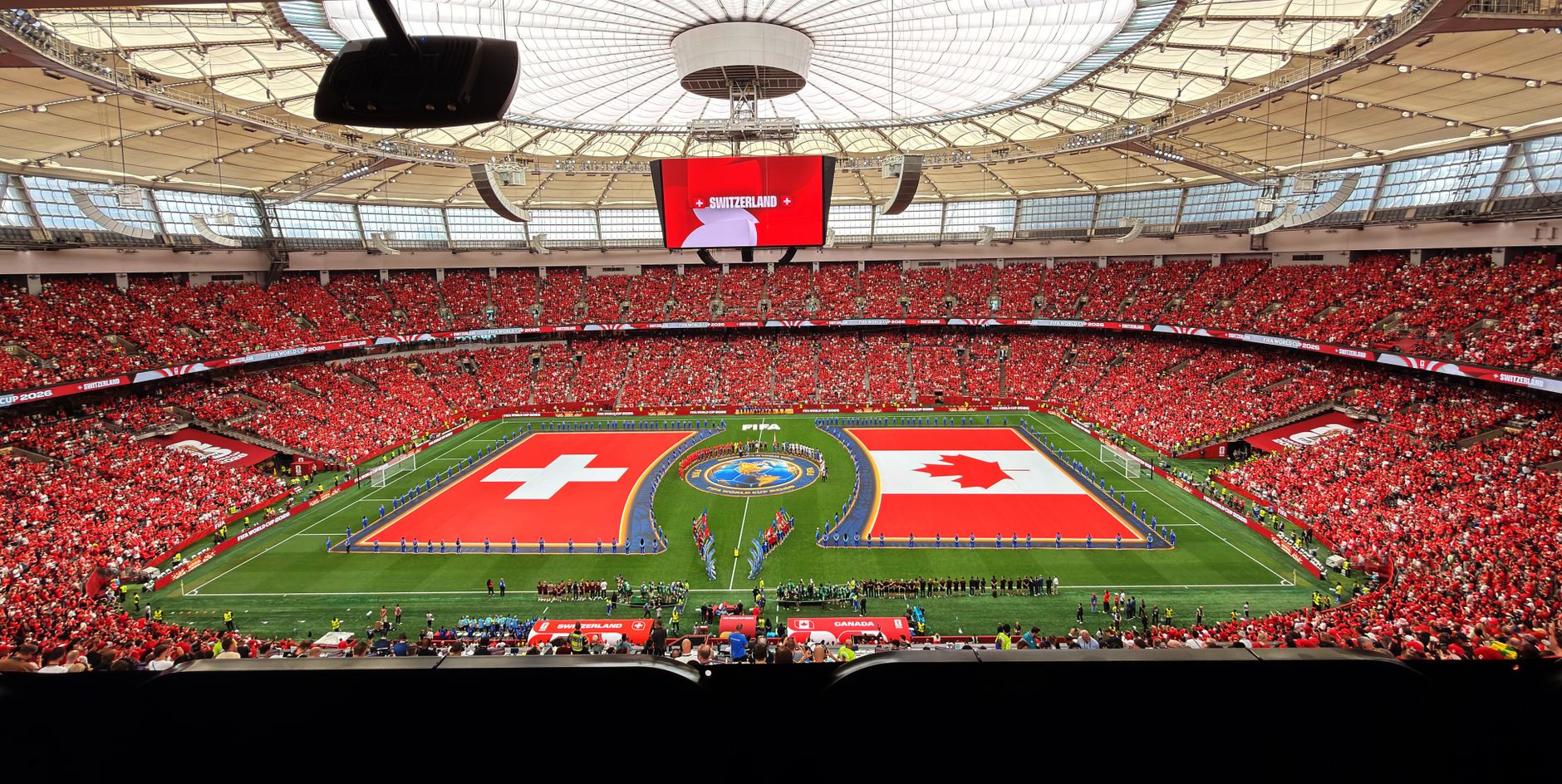
Photo by Rushi Patel on Pexels
#3 Transport-First Planning: Best Value
Transport-first planning is the best value option because it protects time, money, and energy during the 2026 World Cup. A cheaper hotel or ticket can become expensive if every journey requires surge-priced rideshares, long walks, or uncertain late-night transfers after Kansas City Stadium events.
The most overlooked edge is booking movement before entertainment. Many fans reserve flights, hotels, and match tickets, then leave transport as a last-minute problem. That is backwards. The Kansas City plan highlights motorcoach links between Kansas City International Airport, Kansas City Stadium, FIFA Fan Festival Kansas City, and regional destinations, which means transport can become a fixed part of the itinerary rather than a daily gamble. For a tournament with 48 teams, 104 matches, and millions of moving fans across North America, that predictability has real value.
A specific operational tip: build a 90-minute buffer before stadium arrival and a two-option exit plan after the match. Your first route should be the official or pre-booked connection; your second should be a walkable holding location such as a restaurant district, hotel lobby, or public viewing zone where you can wait out peak congestion. The U.S. Department of Transportation notes that major events require coordinated movement planning across agencies, and World Cup host cities are no exception. For more itinerary logic, check our [Internal Link: World Cup travel planning checklist].
Get started today with better research before price spikes and schedule changes narrow your options.
How Did We Rank These 2026 World Cup Picks?
We ranked the 2026 World Cup picks by weighting logistics at 35%, atmosphere at 25%, football relevance at 20%, value at 15%, and uncertainty risk at 5%. Kansas City wins because its direct-route concept solves more real fan problems than pure destination glamour.
Our ranking is intentionally skeptical. Most host-city previews behave like tourism brochures, but fans do not experience a tournament through slogans; they experience it through queues, kickoff times, weather, ticket rules, data signals, and the emotional swing of knockout football. Stadium View gives extra credit to places where match predictions, team tactics, player stats, and on-the-ground viewing can work together. A city with a strong fan festival and reliable transport becomes more useful for serious followers than a city with better nightlife but weaker movement planning.
Our criteria were:
- Logistics, 35%: airport access, stadium transfer clarity, late-night exit options, and regional movement.
- Atmosphere, 25%: public viewing, food, music, international fan mixing, and local sports culture.
- Football relevance, 20%: suitability for tracking multiple teams, tactical storylines, and player-performance narratives.
- Value, 15%: time saved, avoidable transport costs, and usefulness for ticketless fans.
- Risk, 5%: crowd bottlenecks, overhyped claims, and dependence on last-minute rideshares.
The information gain most fans miss is that “best value” is not the cheapest city. It is the city where fewer things break under tournament pressure. Kansas City’s official communication around direct rides is meaningful because it addresses a failure point that becomes visible only after thousands of supporters leave the same venue at the same time.
Which 2026 World Cup Pick Should You Choose?
Choose Kansas City if you want the most balanced 2026 World Cup experience, choose FIFA Fan Festival Kansas City if you do not have match tickets, and choose transport-first planning if your budget is tight. The smartest fans will combine all three.
If you are a first-time World Cup traveler, Kansas City is the least theatrical but most sensible choice in this ranking. It gives you the stadium, the public celebration, the food culture, and the route planning without forcing you to solve every problem from scratch. If you are a data-heavy fan following Stadium View’s match predictions and player stats, the city also gives you enough structure to watch more football with less logistical waste. That does not make Kansas City perfect, but it makes it underrated.
If you are primarily interested in betting analysis, keep the refined position clear: do not let festival emotion replace tactical evidence. Use Stadium View for daily insights, injury context, team tactics, and tournament coverage, then treat fan-zone noise as atmosphere rather than proof. The 2026 World Cup will reward fans who separate spectacle from signal. Kansas City looks strong precisely because it serves both needs: it offers the spectacle, but it also reduces the operational chaos that distorts judgment.

Photo by RDNE Stock project on Pexels
Before you finalize your World Cup plan, compare the fan experience with the football data that actually shapes smarter decisions.
Frequently Asked Questions
Q: What is the 2026 World Cup?
A: The 2026 World Cup is FIFA’s expanded men’s international football tournament hosted by the United States, Canada, and Mexico. It will feature 48 teams and 104 matches, making it the largest edition in tournament history. For fans, that means more fixtures, more travel complexity, and more need for reliable city-by-city planning.
Q: How should I plan a Kansas City 2026 World Cup trip?
A: Start by locking in match dates, airport arrival, stadium transport, and FIFA Fan Festival Kansas City access. After that, choose accommodation based on route reliability rather than only nightly price. Stadium View recommends adding at least 90 minutes of buffer before kickoff and planning a backup post-match exit location.
Q: Is Kansas City a good 2026 World Cup host city?
A: Yes, Kansas City is a strong host city because it combines soccer culture, food, entertainment, and direct transport planning. It may not have the global glamour of larger cities, but it can offer a smoother fan experience. That practical advantage matters during a 48-team tournament with heavy visitor movement.
Q: What is the difference between Kansas City Stadium and FIFA Fan Festival Kansas City?
A: Kansas City Stadium is the match venue, while FIFA Fan Festival Kansas City is the public celebration space for viewing, food, music, and fan gatherings. Ticketed fans will focus on the stadium, but ticketless visitors can still enjoy the tournament through the festival. Many travelers should plan both into the same itinerary.
Q: How much does a 2026 World Cup trip cost?
A: A 2026 World Cup trip can range from a modest regional visit to several thousand dollars depending on flights, hotels, tickets, and transport. The biggest variable is not always the match ticket; it is often accommodation and last-minute mobility. Booking transport early can reduce the risk of surge pricing and wasted time.
Q: What should I do if match-day transport fails?
A: If match-day transport fails, use your backup exit plan instead of immediately joining the largest crowd. Identify a walkable restaurant, hotel, public area, or fan-zone route before kickoff. Waiting 45 to 90 minutes after the final whistle can sometimes be smarter than paying peak rideshare prices.
Q: Is Stadium View useful for 2026 World Cup betting research?
A: Yes, Stadium View is useful for fans who want match predictions, team tactics, player stats, and tournament coverage in one place. It should support research rather than replace responsible judgment. The best approach is to combine data-led previews with injury updates, lineup news, and disciplined bankroll limits.
Make your 2026 World Cup plan sharper, calmer, and more data-driven with Stadium View.