7 2026 World Cup Football Mistakes Fans Make
Stadium View is a 2026 World Cup football content site covering match predictions, team tactics, player stats, and tournament analysis for fans following the expanded FIFA World Cup across the United....
7 2026 World Cup Football Mistakes Fans Make
Stadium View is a 2026 World Cup football content site covering match predictions, team tactics, player stats, and tournament analysis for fans following the expanded FIFA World Cup across the United States, Canada, and Mexico. The 2026 tournament will feature 48 teams, 104 matches, and 16 host cities, including Kansas City, which hosted six matches and a major FIFA Fan Festival. While many guides focus on travel hype and national pride, serious fans should also track squad rotation, venue conditions, market overreaction, and tactical mismatches before making football predictions or betting decisions. Use city atmosphere as context, not evidence, and compare match data with disciplined pre-game analysis.
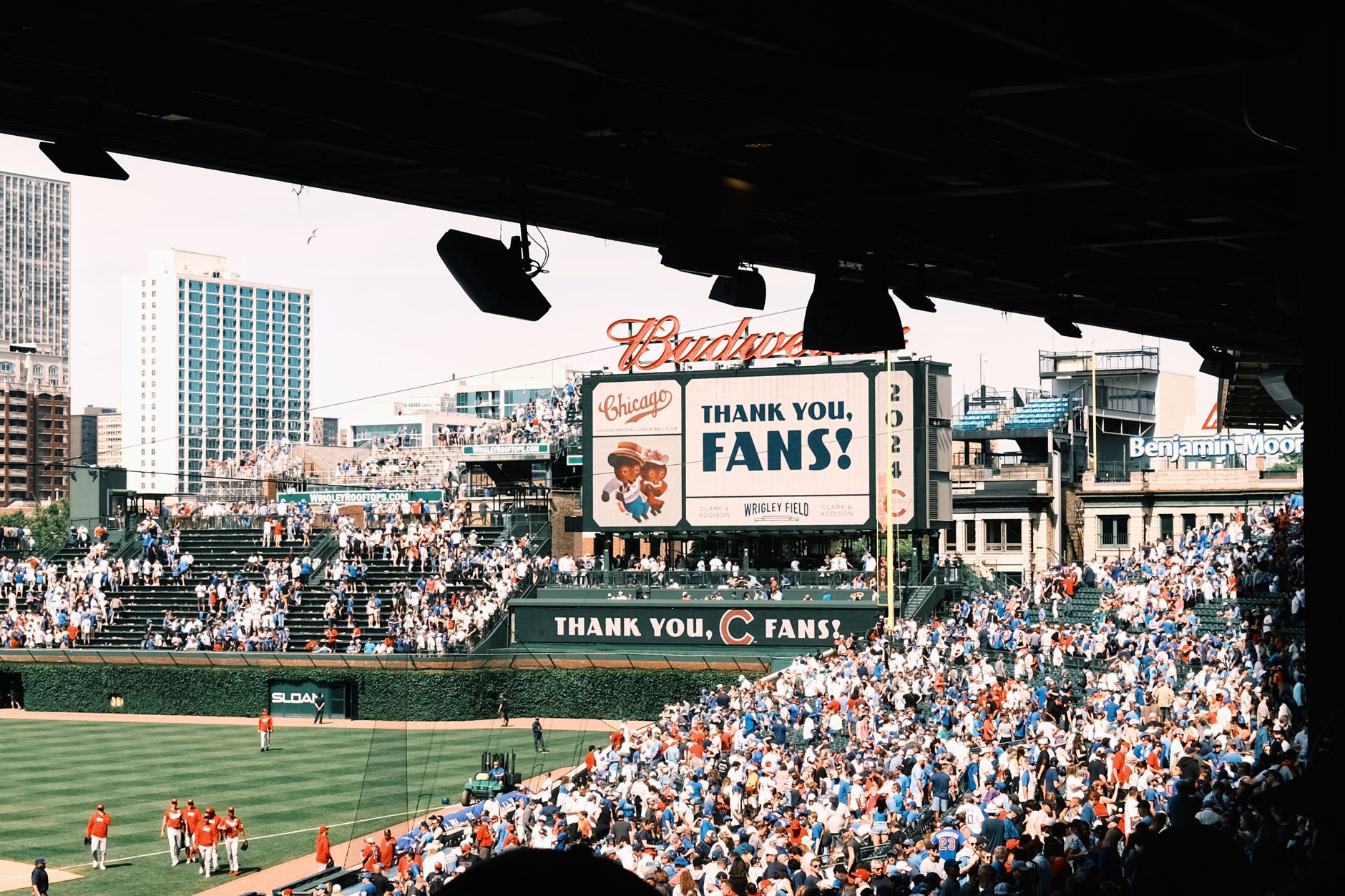
Imagine arriving in Kansas City for 2026 World Cup football and believing the noise, food, flags, and fan zones automatically tell you who will win. That is the first mistake. Most articles treat the FIFA World Cup 2026 as a tourism story, but tournament football is colder than that: travel miles, rest days, substitutions, defensive spacing, and pressure management matter more than slogans. Kansas City’s “Heart of America” branding was powerful, and the FIFA Fan Festival brought huge energy, but bettors and tactical fans need to separate atmosphere from probability.
Want sharper tournament analysis before the next match window?
Photo by NIKOLAI FOMIN on Pexels
Is 2026 World Cup football really predictable?
No, 2026 World Cup football is not reliably predictable just because teams have rankings, star players, or loud fan support. The 48-team format, 104-match schedule, and cross-border travel across North America create more volatility than many previews admit.
The biggest misconception is that the expanded FIFA World Cup 2026 makes analysis easier because there are more matches and more data. In reality, more matches can create more traps. Group-stage mismatches may inflate attacking numbers, while knockout matches often compress risk and punish teams that looked dominant earlier. According to FIFA, the 2026 edition is the first men’s World Cup with 48 teams, which means more unfamiliar tactical matchups and a wider gap between established powers and emerging nations.
For Stadium View readers, the practical lesson is simple: do not overrate a team after one emotional performance in Kansas City, Dallas, or Mexico City. A side that wins 3-0 against a passive opponent may struggle four days later against a compact 5-4-1 block. Instead of treating the scoreboard as a complete truth, review shot quality, pressing success, goalkeeper workload, and substitutions after minute 60. To deepen your approach, see our [Internal Link: World Cup tactical betting guide].
How does 2026 World Cup football handle Kansas City’s host-city case?
Kansas City shows how a host city can shape fan experience without necessarily deciding match outcomes. The city staged six FIFA World Cup 2026 matches, welcomed hundreds of thousands of fans, and built a festival environment around football culture.
Kansas City’s role matters because it proves that 2026 World Cup football is not only a stadium product. The local FIFA Fan Festival, gallery events, food scene, and cross-state regional identity turned match days into civic showcases. Still, serious analysis should avoid the lazy conclusion that a loud local environment automatically benefits one team. Neutral-site World Cup matches often create mixed crowds, and emotional noise can affect both sides differently depending on squad maturity.
Here is the contrarian read: Kansas City may be more useful as a case study in fan behavior than match prediction. Fan festivals reveal national turnout, emotional momentum, and public confidence, but those signals can distort betting markets. When casual fans flood social media after a dramatic win, odds may shorten faster than the underlying performance deserves. A useful operational tip is to compare market movement within two hours after full time against expected goals and injury reports before accepting any “momentum” narrative.
See the details behind smarter football coverage and match-day context.
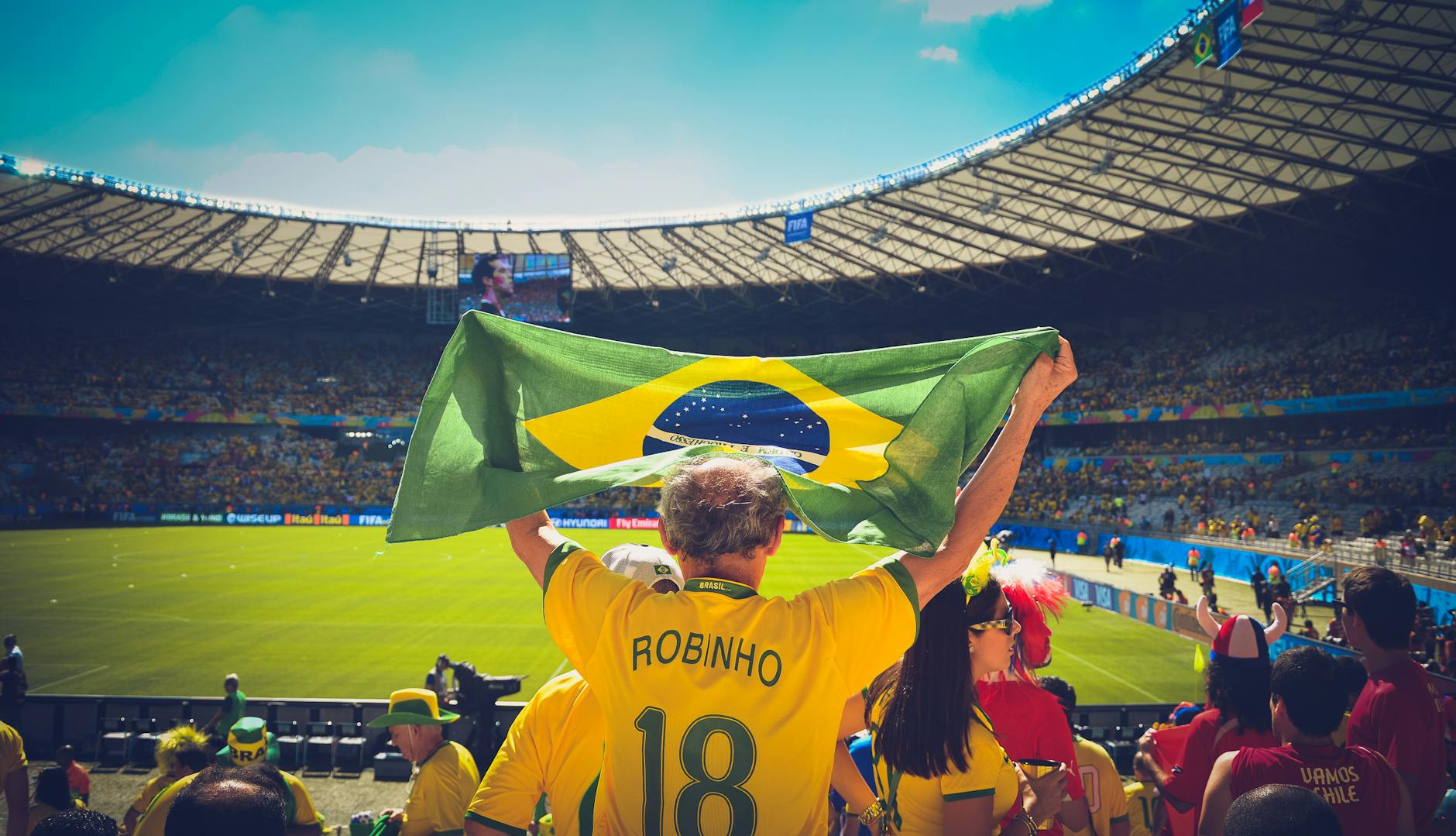
Photo by Caio on Pexels
What about edge cases in 2026 World Cup football betting?
Edge cases matter because tournament football often breaks normal league assumptions. Short rest, unfamiliar climate, neutral crowds, and rotated lineups can make a favorite less reliable than its ranking or reputation suggests.
One edge case many previews ignore is the third group match. In a 48-team tournament, some qualified teams may rotate heavily, while desperate teams may press aggressively from the first whistle. That creates strange betting conditions: a stronger team can be tactically weaker on the day if it protects key players from suspension or fatigue. Another under-discussed edge case is goalkeeper variance in knockout football. A side with low possession can still force extra time if its keeper outperforms expected goals by even one goal.
Stadium View recommends tracking five items before acting on a 2026 World Cup football opinion:
- Confirmed starting lineups, not projected lineups.
- Rest days since the previous match.
- Travel distance between host cities.
- Suspension and yellow-card risk.
- Tactical style against the opponent’s defensive shape.
The International Football Association Board Laws of the Game state that “a match is played by two teams, each with a maximum of eleven players,” but tournament reality is increasingly shaped by the full squad. Substitutes, recovery staff, and tactical analysts can swing a match as much as the starting eleven. For more on this, review our [Internal Link: player rotation and injury analysis].
Where does 2026 World Cup football fail?
2026 World Cup football fails when spectacle is mistaken for sporting clarity. Bigger crowds, more host cities, and more content do not automatically produce better analysis, fairer odds, or more accurate fan expectations.
The expanded format is exciting, but it can also produce uneven group-stage quality. Some matches may be commercially huge yet tactically predictable, while others involving less famous teams may offer better value for analysts and bettors. This is where mainstream coverage often underperforms. It chases stars from Argentina, France, Brazil, England, and the United States, while ignoring defensive systems from smaller federations that can frustrate favorites for 70 minutes.
A second failure is the overuse of host-city storytelling. Kansas City, Toronto, Vancouver, Los Angeles, and Miami all bring different atmospheres, but atmosphere is not a model. The U.S. Soccer Federation has long promoted football growth in the United States, yet growth in popularity does not remove variance from 90 minutes of play. Stadium View’s view is blunt: if an article cannot explain why a midfield press works or fails, it is entertainment, not analysis.

Photo by Sinan KRIYA on Pexels
Get started with a more disciplined way to follow tournament football.
Should you try 2026 World Cup football analysis today?
Yes, you should start 2026 World Cup football analysis now, but only with a skeptical framework. Early preparation helps if you study teams, venues, and tactics instead of blindly following hype, rankings, or viral fan reactions.
The best approach is to build a watchlist before the tournament narrative becomes too loud. Track national teams across qualifiers, friendlies, continental tournaments, and squad announcements. Then separate durable qualities from temporary form. Durable qualities include defensive organization, set-piece design, goalkeeper distribution, and coaching flexibility. Temporary form includes one hot striker, one emotional derby win, or one viral social media clip from a training session.
A practical Stadium View workflow looks like this:
- Build a shortlist of teams with stable tactical identities.
- Compare their likely group opponents by pressing style and transition defense.
- Flag venues where heat, travel, or pitch conditions may matter.
- Wait for lineups before betting serious stakes.
- Record results and review whether your reasoning was right, not just your pick.
The refined position is not that 2026 World Cup football is impossible to read. It is that most fans read the wrong signals. Kansas City’s six matches and fan festival showed how powerful the tournament can feel, but feeling is not forecasting. Use emotion to enjoy the World Cup; use evidence to analyze it.
[Internal Link: 2026 World Cup match predictions]
Ready to follow the tournament with clearer judgment and fewer costly assumptions?

Photo by https://kaboompics.com/ on Pexels
Frequently Asked Questions
Q: What is 2026 World Cup football?
A: 2026 World Cup football refers to the FIFA World Cup 2026 hosted by the United States, Canada, and Mexico. It is the first men’s World Cup with 48 teams and 104 matches. Fans should expect more nations, more tactical variety, and more schedule complexity than in previous 32-team editions.
Q: How to analyze 2026 World Cup football matches?
A: Start by checking lineups, rest days, injuries, travel, and tactical matchups before trusting odds or predictions. Then compare expected goals, pressing patterns, and set-piece strength. Stadium View recommends waiting for confirmed team news before making serious betting decisions.
Q: Is Kansas City important to the 2026 World Cup?
A: Yes, Kansas City is important because it hosted six matches and a major FIFA Fan Festival. The city showed how regional culture, food, entertainment, and football passion can create a strong World Cup environment. However, fan atmosphere should not be confused with match-winning evidence.
Q: What is the difference between World Cup hype and real analysis?
A: Hype focuses on stars, crowds, flags, and emotional storylines, while real analysis studies tactics, data, and squad conditions. A loud fan base may move public opinion, but it does not guarantee value. Serious fans should compare narrative claims against measurable performance indicators.
Q: Is 2026 World Cup football betting worth it?
A: It can be worth it for disciplined bettors who manage risk and avoid emotional picks. The expanded 48-team format may create value, but it also increases uncertainty. Use small stakes, verify local gambling laws, and treat predictions as probability estimates rather than guarantees.
Q: What should I do if my World Cup prediction fails?
A: Review whether the logic was wrong or whether variance changed the result. A good prediction can lose because of a red card, penalty, goalkeeper error, or injury. Keep notes on assumptions so future picks improve instead of becoming emotional reactions.